 blog
Are Professional Dental Cleanings Worth It?
Last Updated: November 22, 2026
Quick Summary
Yes, professional dental cleanings are worth it for most people. They remove plaque and tartar that brushing and flossing cannot reach, and they let a dental professional spot early problems while those problems are still simple to treat.
- A routine dental cleaning usually takes 30 to 60 minutes, depending on how much buildup you have.
- Only a dental professional with scaling tools can remove hardened tartar from your teeth.
- If you have had gingivitis or periodontitis, you may need cleanings every three to four months.
- A deep cleaning is periodontal scaling and root planing, not a routine prophylaxis, with different cost and schedule.
- Some sensitivity after a cleaning is normal and usually settles on its own within a day or two.
Table of Contents
- Are professional dental cleanings worth it?
- What happens during a dental cleaning
- Dental cleaning vs. brushing and flossing
- Professional teeth cleaning cost and insurance coverage
- How often should you get your teeth cleaned?
- Routine prophylaxis vs. periodontal scaling and root planing
- Sensitivity, gum changes, and when to speak with a dentist
- Book your next dental appointment at Pearly Curve Dentistry
- Frequently Asked Questions
Are professional dental cleanings worth it?
Yes, professional dental cleanings are worth it for most people. They remove plaque and tartar that brushing and flossing cannot reach, and they let a dental professional spot early problems while those problems are still simple to treat.
This question often comes down to two things: time and money. So let's look at what a cleaning actually does, what it costs, and when it may not be necessary.
A professional dental cleaning is a preventive appointment where a dental hygienist removes plaque and hardened tartar from your teeth, polishes the surfaces, and checks your gums for early signs of disease. The goal is simple: catch small problems before they become big ones.
Below, we'll break down the procedure, the real differences from home care, cost and insurance, and how often you actually need one.
What happens during a dental cleaning
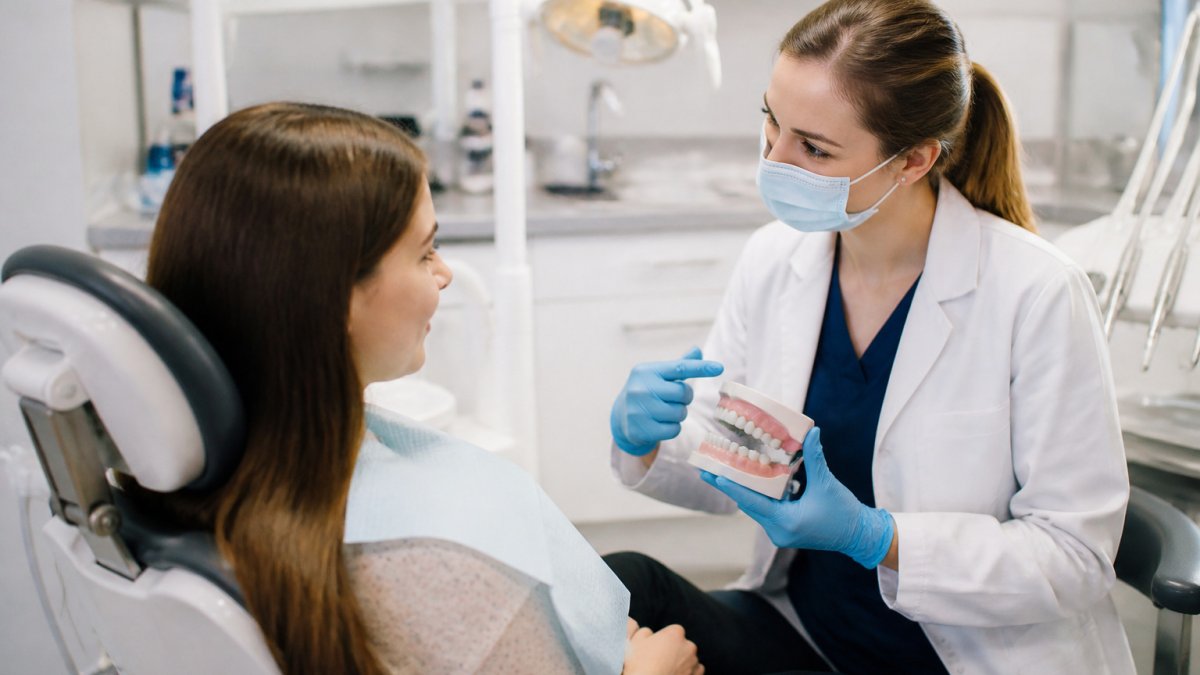
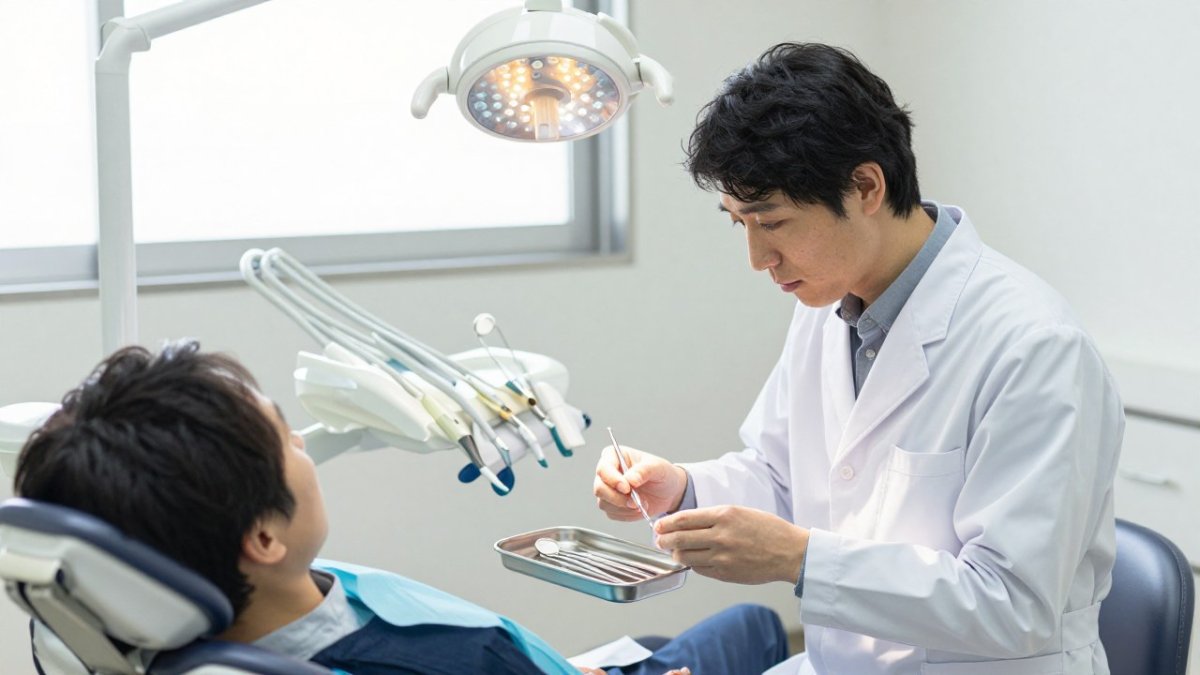
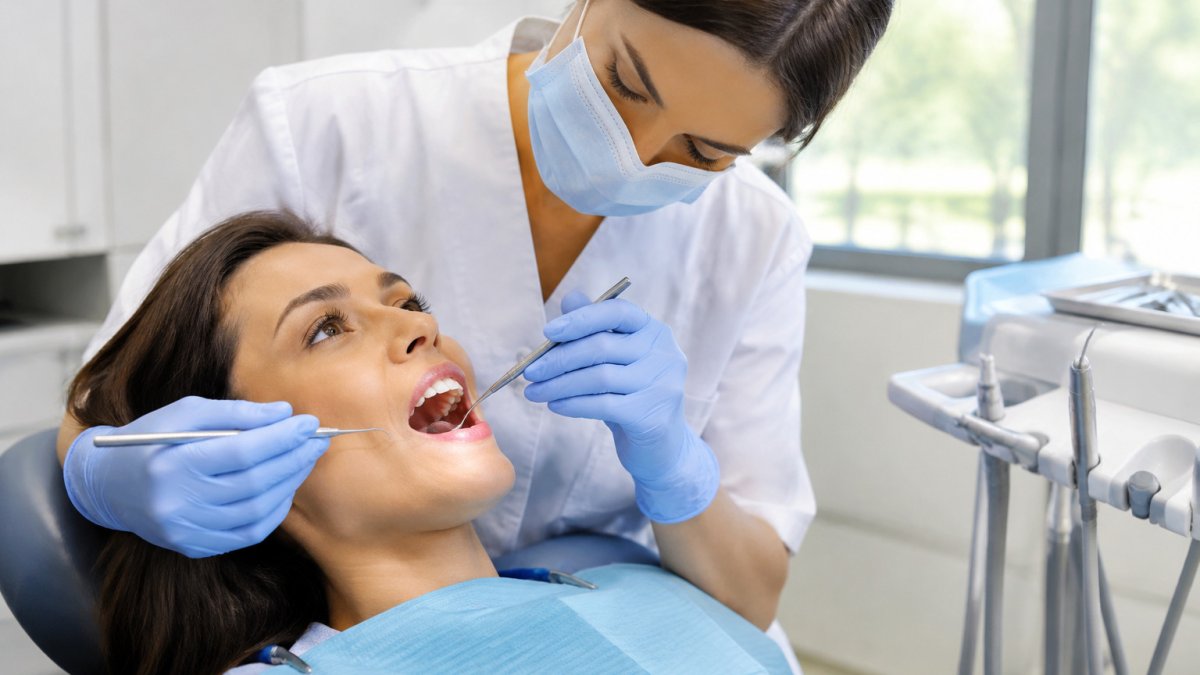
A routine dental cleaning usually follows the same steps. Most appointments take 30 to 60 minutes, depending on how much buildup you have.
Here is the typical sequence:
- Exam first. The dentist or hygienist checks your teeth and gums and notes any areas of concern.
- Scaling. A metal hand tool or an ultrasonic device removes plaque and tartar above and just below the gumline.
- Polishing. A gritty paste and a rotating brush smooth the tooth surfaces and lift surface stains.
- Flossing. The hygienist flosses between each tooth to clear loose debris.
- Rinse and review. You rinse, and the team walks you through what they found and what to watch.
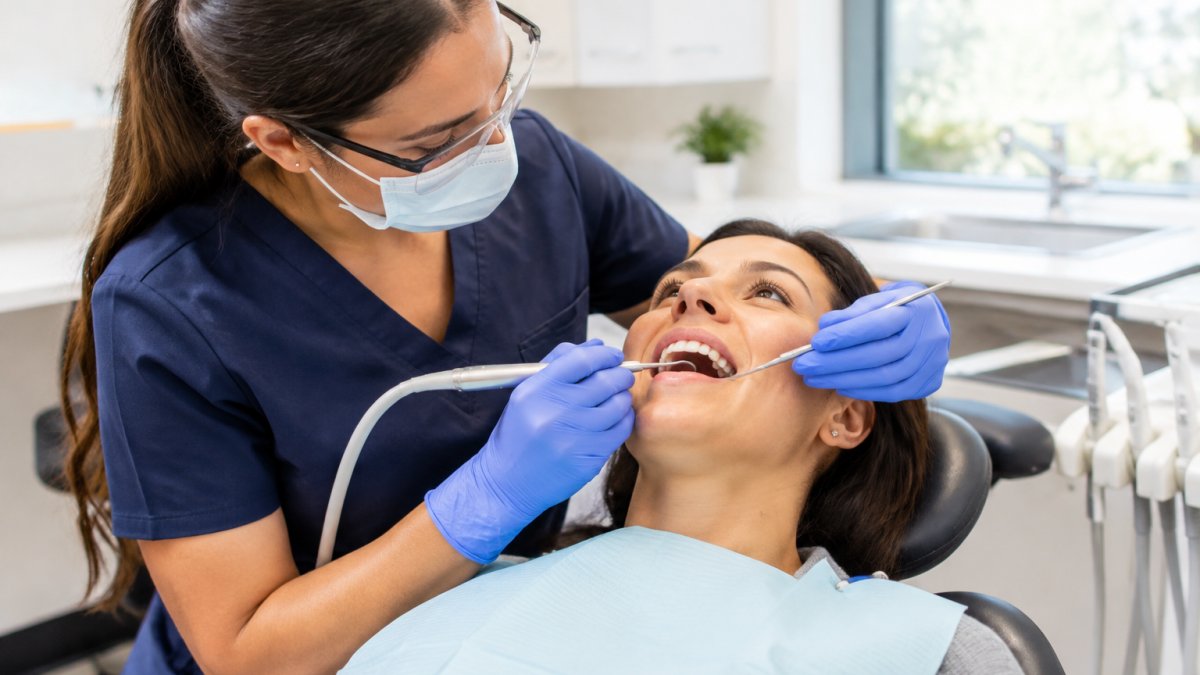
What most guides miss is that the exam matters as much as the cleaning. Your hygienist is looking for early gum inflammation, small cavities, and changes in your bite. Those findings are what make the visit worth more than a good scrub.
Dental cleaning vs. brushing and flossing
Brushing and flossing handle the plaque you can reach. A professional cleaning handles the plaque and tartar you cannot.
Plaque is a soft, sticky film of oral bacteria that forms on teeth within hours. You can brush it away. Tartar, also called calculus, is plaque that has hardened onto the tooth surface. Once that happens, no toothbrush or floss will remove it. Only a dental professional with scaling tools can.
That is the core reason a cleaning is worth it. Here is how the two compare:
| Feature | At-home care | Professional cleaning |
|---|---|---|
| Removes soft plaque | Yes | Yes |
| Removes hardened tartar | No | Yes |
| Reaches below the gumline | Limited | Yes |
| Lifts surface stains | Minimal | Yes, with polishing |
| Screens for cavities and gum disease | No | Yes |
| Typical frequency | Daily | Every 6 to 12 months |
At-home oral care still does most of the work. Regular brushing twice a day and daily flossing reduce plaque before it hardens. A cleaning is the reset that clears what your routine missed.
Professional teeth cleaning cost and insurance coverage
The cost of a professional teeth cleaning varies by clinic, by region, and by how much work your mouth needs. Pricing depends on the procedure, the amount of buildup, and the clinic. For current prices or a quote, please visit the Pearly Curve Dentistry website.
The main cost drivers are:
- Procedure type. A routine prophylaxis (standard cleaning) is the least expensive. Periodontal scaling and root planing, sometimes called a deep cleaning, costs more because it takes longer, often needs more than one visit, and may require numbing.
- Time and buildup. Heavy tartar or staining takes longer to remove than a light maintenance cleaning.
- Region and clinic. Fees differ between provinces and between urban and rural practices. Individual clinics set their own fees.
- New-patient exams and X-rays. A first visit often bundles a exam and radiographs with the cleaning, which raises the total compared with a returning-patient maintenance visit.
Dental plans vary widely in how they cover routine cleanings, so check your plan's terms before booking. Before you book, check your plan's annual maximum, its frequency limit for cleanings, and the percentage it covers.
If you do not have insurance, ask the clinic for a written estimate before the appointment.
Watch out: a quoted price for a "cleaning" may refer to a routine prophylaxis, while your gums may actually need periodontal treatment. Confirm which procedure the estimate covers before you compare prices between clinics.
For a closer look at how coverage works, read our guide on whether dental insurance is required for exams. If you are paying out of pocket, our article on affordable dental care without insurance covers the practical options.
The value question is worth reframing. A cleaning is preventive dental care. That is the trade-off to weigh, not the sticker price of the cleaning alone.
How often should you get your teeth cleaned?
Cleaning frequency is a starting point that depends on the individual, not a rule for everyone. The honest answer is that the right interval depends on your gums, your buildup rate, your medical history, and what the evidence actually supports.
Your ideal cleaning frequency depends on your risk factors:
- Gum disease history. If you have had gingivitis or periodontitis, you may need cleanings every three to four months to keep inflammation under control.
- Buildup speed. Some people form tartar faster than others, and that rate can change with age, medications, or diet.
- Smoking. Smoking raises your risk of gum disease and hides the bleeding that would otherwise warn you.
- Health conditions. Diabetes and certain medications affect gum health and healing.
- Home routine. Consistent brushing and flossing can stretch the gap between visits, though it does not replace professional scaling.
- Pregnancy and hormonal changes. Gum sensitivity can increase, and some practitioners recommend closer monitoring during this time.
A useful way to think about it is risk-based: your dentist measures your gum pockets and notes bleeding, tartar, and decay at each visit, then sets an interval that matches what they find. Someone with healthy gums and slow buildup may do well on a twelve-month schedule, while someone with a history of periodontal disease may need three to four months.
It is also worth being clear about what the evidence does and does not show. Professional cleaning reliably removes plaque and tartar and lets a clinician assess your gums and teeth. That uncertainty is a reason to personalize the schedule, not a reason to skip care.
Watch out: if you have been told you need a "deep cleaning," that is periodontal scaling and root planing, not a routine prophylaxis, and it usually follows a different schedule and cost structure. Ask which procedure is meant before you book.
Your dentist can set a schedule that fits your mouth. For a deeper look at the timing question, our article on how often adults should get dental cleanings walks through the evidence and the exceptions.
Routine prophylaxis vs. periodontal scaling and root planing
A routine cleaning and a periodontal treatment are not the same procedure, and mixing them up is a common source of confusion.
Routine prophylaxis is the standard cleaning described above. It is for people with healthy gums. It removes plaque and tartar above and just below the gumline.
Periodontal scaling and root planing is a deeper treatment for gum disease. It cleans tartar from below the gumline and smooths the tooth roots so gums can reattach. It often needs more than one visit and may require numbing.
The difference matters for two reasons. First, the cost and time involved are higher for periodontal treatment. Second, if your gums are already inflamed, a routine polish will not fix the problem. Your dentist will measure your gum pockets to decide which treatment you need.
If you have been told you need a "deep cleaning," ask which procedure is meant. That question alone clears up most of the confusion.
Sensitivity, gum changes, and when to speak with a dentist
Some sensitivity after a cleaning is normal. Teeth may feel tender for a day or two, especially if a lot of tartar was removed. That usually settles on its own.
Some symptoms should not wait for your next scheduled visit:
- Gums that bleed when you brush or floss
- Red, swollen, or tender gums
- Persistent bad breath that does not improve
- Loose teeth or gums pulling away from teeth
- Pain when chewing, or a tooth that feels different
These can point to gum inflammation or decay that needs a professional look. Our guide on the signs you need a dental checkup lists the warning signs in more detail.
If you feel anxious about dental visits, say so when you book. A good team will explain each step and let you pause.
Book your next dental appointment at Pearly Curve Dentistry
Deciding whether professional dental cleanings are worth it comes down to what you want from your oral health. If you want to protect your teeth, catch problems early, and avoid bigger bills later, a routine cleaning is one of the simplest steps you can take.
At Pearly Curve Dentistry, we focus on comfortable care and clear explanations. Our team focuses on comfortable care and clear explanations. If you have been putting off a cleaning, we can help you get back on track.
Ready to book? Our step-by-step guide to booking a dental exam shows you exactly what to expect.
A cleaning is a small appointment with a long payoff. If it has been more than six months since your last visit, or if your gums have been bleeding when you brush, now is a good time to act. Pearly Curve Dentistry offers modern treatments, expert support, and comfortable care in a welcoming setting. Get started with Pearly Curve Dentistry and book your next cleaning with a team that explains every step.
Frequently Asked Questions
Can brushing and flossing replace a professional dental cleaning?
No. Brushing and flossing handle daily plaque, but once plaque hardens into tartar, it bonds to the tooth surface and cannot be removed with a toothbrush or floss. A dental hygienist uses scaling instruments to break down hardened deposits above and below the gumline, then polishes the enamel. Skipping professional cleanings lets tartar accumulate, which raises the risk of gingivitis and cavities over time. At-home care is essential between visits, but it does not replace the tools and examination a dental appointment provides.
Are professional dental cleanings worth the cost without dental insurance?
Many people without insurance still find routine cleanings worthwhile because they catch small problems before they become expensive ones. A filling for a small cavity typically costs far less than a crown or root canal. Professional teeth cleaning cost varies by clinic and by whether you need a routine prophylaxis or more involved periodontal treatment, so ask for a written estimate before booking. Weigh the out-of-pocket cost against the cost of treating advanced decay or gum disease later.
Can a dental cleaning damage your teeth or gums?
When performed by a licensed dental hygienist or dentist, a routine cleaning is safe. Some people notice temporary tooth sensitivity or slight bleeding gums afterward, especially if it has been a while since their last visit or if gum inflammation is present. These effects usually settle within a few days. If you have untreated gum disease, the cleaning may be more involved and your dentist will explain what to expect. Tell your provider about any anxiety, sensitivity, or medical conditions beforehand so they can adjust the approach.
What are the benefits of getting your teeth professionally cleaned?
Regular cleanings remove plaque and tartar that at-home brushing misses, which helps prevent cavities and reduces the risk of gingivitis and periodontitis. The visit also includes a dental examination, where the dentist checks for early signs of decay, gum inflammation, and other oral health issues that are easier to treat when caught early. Polishing removes surface stains, and the hygienist can point out areas where your brushing or flossing routine needs adjustment. For many people, the preventive benefits outweigh the time and cost.