 listicle
Affordable Dental Care in Toronto: No Insurance Guide
Table of Contents
- 1. University of Toronto Faculty of Dentistry Patient Clinics
- 2. George Brown College WAVE Dental Clinic for Preventive Care
- 3. Community Health Centres with Sliding Scale Fees
- 4. Emergency Dental Care for Low-Income Adults
- 5. Ontario Seniors Dental Care Program Eligibility
- 6. Dental Payment Plans for Uninsured Patients
- 7. How to Access Affordable Dental Care in Toronto Without Insurance
- Frequently Asked Questions
Last Updated: September 13, 2026
1. University of Toronto Faculty of Dentistry Patient Clinics
The University of Toronto Faculty of Dentistry runs patient clinics where supervised dental students provide comprehensive care at reduced fees, making it one of the most established routes to affordable dental care in Toronto for people without private insurance. Every procedure is checked by licensed faculty, so you get rigorous clinical oversight without private-practice pricing.
Expect longer appointments than a typical clinic. Students work carefully and instructors verify each step, so a filling that takes 30 minutes elsewhere can take closer to 90 here. That trade-off is exactly why the fees stay low.
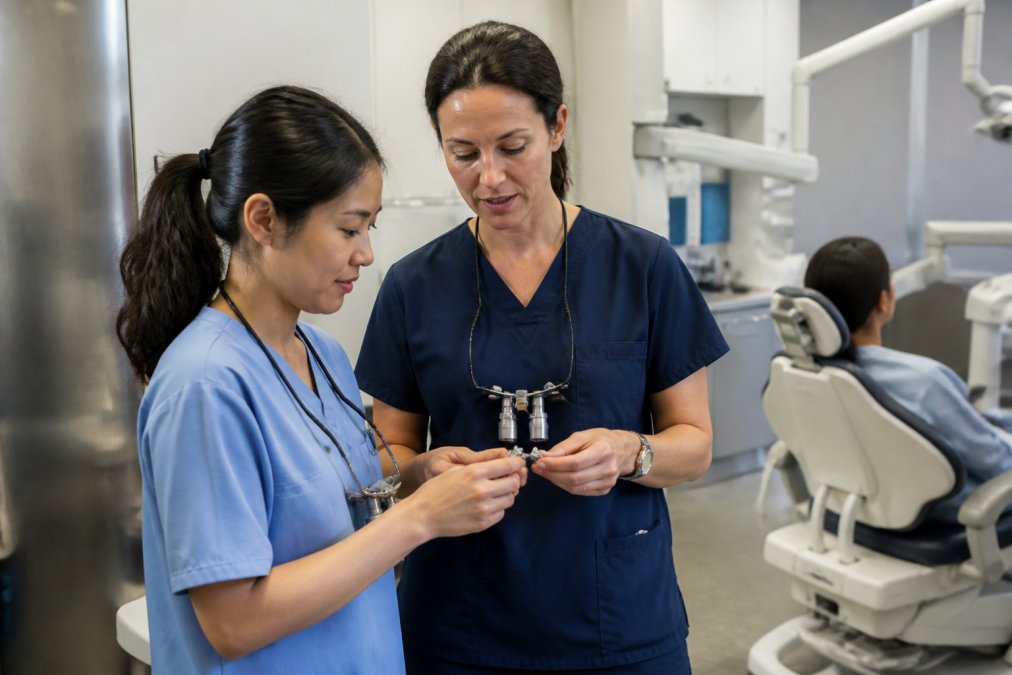
The clinic handles diagnostic exams, X-rays, cleanings, fillings, root canals, and dentures. Contact the clinic directly to ask about current fees and screening, since availability and intake vary by department. For a full rundown of low-cost facilities the city maintains, see the City of Toronto low-cost dental facilities list.
2. George Brown College WAVE Dental Clinic for Preventive Care
George Brown College's WAVE Dental Clinic delivers low-cost preventive hygiene services performed by dental hygiene students in a modern teaching facility. If your main need is a cleaning, exam, or scaling, this is often the cheapest legitimate option in the city.
What it does not do is restorative work. No fillings, no crowns, no extractions. Think of WAVE as your preventive maintenance stop, and pair it with a full-service clinic for anything beyond hygiene.
Book early in each semester. Student clinics run on academic calendars and fill quickly once term starts.
3. Community Health Centres with Sliding Scale Fees
Community Health Centres (CHCs) provide dental care on a sliding scale, meaning your fee is set according to your household income rather than a flat rate. For uninsured patients facing financial hardship, this is the closest thing to income-adjusted dentistry available.
Eligibility rules differ from one centre to the next, so call ahead and ask two questions: do they offer dental services, and what documentation do they need for the sliding scale. Some centres prioritize residents of their catchment area, and some maintain waitlists for non-urgent treatment.
CHCs also connect dental care to broader public health services, which helps if you are managing several health needs at once.
4. Emergency Dental Care for Low-Income Adults
Emergency dental treatment for low-income adults without insurance is available through publicly listed low-cost facilities that focus on urgent relief: severe pain, swelling, dental trauma, or a broken tooth. These clinics triage by urgency, so you may be seen the same day for pain management even when routine care has a waitlist.
Call first and describe your symptoms plainly. Emergency triage staff decide priority based on what you tell them, so say "swelling and fever," not "my tooth hurts a bit."
If you are in severe pain with facial swelling, seek urgent medical attention. Dental infections can spread, and that is a medical emergency, not just a toothache.
5. Ontario Seniors Dental Care Program Eligibility
The Ontario Seniors Dental Care Program is a provincial coverage plan for eligible seniors, and it is the single most important program to check if you are 65 or older (ontario.ca). Because eligibility rules, income thresholds, and covered services are set by the province and change over time, verify your status directly with the program rather than relying on secondhand summaries.
Applications are handled through public health units, and you will generally need to provide proof of age, residency, and income. Once enrolled, covered services typically include examinations, preventive care, and basic treatment.
For current eligibility criteria and how to apply, go straight to the Ontario Seniors Dental Care Program. Do not guess at the income cut-off; the program page states it precisely.
6. Dental Payment Plans for Uninsured Patients
Dental payment plans for uninsured patients split treatment costs into installments, which turns a bill you cannot absorb in one month into a predictable monthly figure. Most private practices that offer them will discuss terms at the consultation stage, before treatment begins.
Ask these questions before you agree to anything:
- What is the total cost, itemized by procedure?
- How many installments, and is there interest or an administration fee?
- Is a deposit required, and is it refundable if treatment changes?
- What happens if I miss a payment?
Get the answer in writing. A treatment plan should list each procedure with its own fee, so you can approve work in stages rather than committing to everything at once.
| Approach | How It Works | Best For | Watch Out For |
|---|---|---|---|
| Teaching clinic | Supervised students, reduced fees | Complex or ongoing treatment | Longer appointment times |
| Hygiene school clinic | Student hygienists, low-cost preventive care | Cleanings and exams | Hygiene services only |
| Community health centre | Sliding scale based on income | Low-income residents | Varies by location |
| Payment plan | Costs split into installments | Spreading a larger bill | Interest or admin fees |
7. How to Access Affordable Dental Care in Toronto Without Insurance
Getting affordable dental care in Toronto without insurance comes down to matching the right option to your situation, then calling before you need it. Work through this sequence:
- Assess urgency. Pain, swelling, or trauma means emergency triage first. Routine care can wait for a lower-cost booking.
- Check public programs. If you are a senior, start with the provincial program. If you receive provincial income support, ask your caseworker which dental benefits apply to you.
- Call a teaching clinic. University and college clinics offer the deepest discounts on comprehensive and preventive care.
- Contact community health centres. Ask specifically about sliding scale fees and eligibility in your area.
- Request an itemized treatment plan. Any clinic should give you one. It lets you prioritize the urgent work and defer the rest.
- Ask about payment plans. If the total is still out of reach, ask what installment options exist before you decline treatment.
Two things most people get wrong here. First, they wait until something hurts, which eliminates the cheap preventive options and pushes them into emergency care. Second, they assume a quoted price is final. A treatment plan is a starting point for a conversation, and staging work over several months is normal.
Language accessibility matters too. If English is not your first language, ask whether interpretation is available when you book. Public health services and teaching clinics are generally better equipped for this than private offices, and it costs nothing to ask.
Finding affordable dental care without insurance takes more legwork than walking into the nearest clinic, but the options above cover everything from routine cleanings to urgent treatment. At Pearly Curve Dentistry, we offer comprehensive, modern dental care designed to help every patient achieve a healthier, more radiant smile. Our practice combines advanced treatment techniques with expert support, ensuring a comfortable and personalized experience for all who walk through our doors. We are dedicated to your long-term oral health, providing trustworthy and supportive care that makes us stand out in the community. If you have been putting off a checkup because of cost or anxiety, book an appointment with Pearly Curve Dentistry and get a clear, honest picture of your oral health.
Frequently Asked Questions
Where can I get free dental care in Toronto?
Fully free dental care is limited. Some Community Health Centres offer services based on income, and emergency clinics may provide urgent treatment. The Ontario Seniors Dental Care Program is free for eligible seniors. For others, dental schools like the University of Toronto Faculty of Dentistry offer reduced fees, not free care. Contact each clinic directly to confirm current eligibility and costs.
How can I fix my teeth if I don't have money?
Start by contacting a Community Health Centre, which uses a sliding scale based on income. Dental school clinics offer lower fees for comprehensive care. For urgent issues, emergency clinics for low-income adults can help. Payment plans through private practices can also make treatment manageable. Always ask about all available options before committing to a treatment plan.
What government-funded dental programs are available for low-income residents?
The Canadian Dental Care Plan (CDCP) is a federal program for eligible residents. The Ontario Seniors Dental Care Program covers eligible seniors. Community Health Centres receive public funding to offer subsidized care. Eligibility rules and covered services vary, so check the official program websites for current details and application steps.
How do I qualify for the Ontario Seniors Dental Care Program?
Eligibility is based on age, income, and residency. You must be 65 or older, a resident of Ontario, and meet a specific income threshold. You also cannot have access to other dental benefits. The program covers a range of services including exams, cleanings, and dentures. Apply through your local public health unit or online. Check the official Ontario website for the current income figure and application form.
Can I set up a payment plan for major dental work?
Many private dental practices offer in-house payment plans or work with third-party financing companies. These plans let you split the cost of major work like crowns or implants into monthly payments. Ask the clinic about interest rates, terms, and any administrative fees before agreeing. Some plans require a credit check. Always get the full cost and payment schedule in writing.