 Listicle
Are You Being Pushed Into Unnecessary Dental Work?
Last Updated: October 24, 2026
Quick Summary
The signs of unnecessary dental treatment include manufactured urgency, recommendations you cannot see on your own X-rays, and treatment plans that grow at every visit. Ask which tooth, what the image shows, and what happens if you wait. Get the diagnosis and an itemized estimate in writing before you consent.
- Ask for the diagnosis in writing: the tooth, the finding, and the evidence.
- Get a second opinion whenever a plan involves a crown, root canal, extraction, or multiple fillings.
- Under Canadian privacy law you can request copies of your dental records, though a copying fee may apply.
- Insurance pre-authorization confirms what your plan pays, not what is clinically necessary.
- True urgency means severe pain, facial swelling, fever, a knocked-out tooth, or exposed nerve.
Table of Contents
- Red Flags of Unnecessary Dental Procedures
- Signs of Dental Upselling in the Chair
- Questions to Ask Before Dental Treatment
- When to Get a Second Opinion for Dental Work
- How to Refuse Dental Treatment Without Derailing Your Care
- Urgent Care Versus Treatment That Can Safely Wait
- Records, X-Rays, and Getting Clear Answers
- Book a Visit and Ask the Hard Questions
- Frequently Asked Questions
Red Flags of Unnecessary Dental Procedures
Most people trust their dentist without question, and most of the time that trust is well placed. But unnecessary dental treatment is a real problem, and knowing the signs of unnecessary dental procedures helps you protect both your health and your wallet. At Pearly Curve Dentistry, we believe an informed patient is a protected patient. Below, we'll show you exactly what to watch for, how to verify a diagnosis, and how to push back without derailing your care.
Pressure and Urgency That Feels Manufactured
A genuine dental emergency exists. A fractured tooth with exposed nerve, swelling that is spreading, or uncontrolled bleeding all justify same-day care. What should raise suspicion is urgency applied to everything. If you are told a small cavity must be filled today or the tooth is lost, ask why. Many early cavities can be monitored with fluoride and improved home care before treatment is decided.
Recommendations You Cannot See or Understand
You are entitled to see what your dentist sees. A recommendation for fillings, crowns, or a root canal should come with a clear explanation of the clinical findings: which tooth, what the X-ray shows, and what happens if you wait. If a dentist cannot point to visible evidence on your own images, or brushes off your questions as unnecessary, that is a warning sign. For concrete steps you can take, see our tips on avoiding unnecessary dental procedures.
Signs of Dental Upselling in the Chair
Upselling in dentistry rarely announces itself. It usually arrives as a confident recommendation delivered with a smile, framed as preventive, and attached to a treatment plan that grows every time you sit down. The strongest defense is knowing which procedures are most often overrecommended and what clinical evidence should support each one before you consent.
Procedures most often questioned
- Fillings. A filling is appropriate when there is a detectable cavity, a break in the enamel surface, a soft or sticky area on probing, or a radiolucency on an X-ray that has reached the dentin. Early, non-cavitated lesions are often managed with fluoride varnish, improved hygiene, and monitoring rather than drilling. Ask which tooth, which surface, and what the image shows.
- Crowns. A crown is justified when a tooth has lost too much structure to hold a filling, after a large fracture, a root canal on a back tooth, or a crack that extends below the gumline. A crown proposed for a tooth that is stable, symptom-free, and has an intact filling deserves a second look.
- Root canals. Endodontic treatment is indicated when the pulp is infected or irreversibly inflamed, typically signaled by lingering pain to hot or cold, spontaneous throbbing, tenderness to biting, swelling, or a periapical radiolucency on the X-ray. A root canal recommended on a tooth with none of these findings and no image evidence is a red flag.
The upselling patterns to watch
- A treatment plan that expands at each visit without a new clinical finding
- Cosmetic work pitched during a routine cleaning
- Pressure to replace old fillings that are stable and symptom-free
None of these alone proves fraud. Together, they suggest a clinic where sales tactics outrank clinical judgment. Personalized care looks different: it starts with your concerns, explains the trade-offs, and lets you leave and think it over. To see how this approach compares with corporate clinic pressure, read about personalized dental care vs corporate clinics.
Here are the procedures most often questioned, with the clinical evidence that should support each one before you consent.
| Procedure | When it is justified | What to ask or watch for |
|---|---|---|
| Fillings | Detectable cavity: enamel break, soft or sticky area, radiolucency reaching dentin | Which tooth, which surface, what the image shows |
| Crowns | Tooth lost too much structure: large fracture, root canal on back tooth, crack below gumline | Second look if tooth is stable, symptom-free, filling intact |
| Root canals | Pulp infected or irreversibly inflamed: lingering pain, throbbing, swelling, periapical radiolucency | Red flag if no findings and no image evidence |
| Extractions | Tooth non-restorable, fractured below bone, or crowding that cannot be managed otherwise | Second opinion if tooth could be saved with filling or crown |
| Fluoride and sealants | Sealants on deep pits and fissures of permanent molars in caries-risk patients | Fluoride varnish at recall intervals based on risk, not every visit |
| Night guards | Evidence of bruxism: wear facets, jaw pain, headaches, partner reporting grinding | A guard sold at every cleaning without those findings is a sales pattern |
Questions to Ask Before Dental Treatment
The best defense against overtreatment is a short list of direct questions. Ask them before you agree to anything, and expect calm, specific answers.
- What exactly did you find, and can I see it on my X-ray?
- What happens if I wait three months?
- What are the treatment alternatives, including doing nothing?
- Is this urgent today, or can it safely wait?
- Can I have a written, itemized estimate before we begin?
- Who will perform the procedure, and what are the risks?
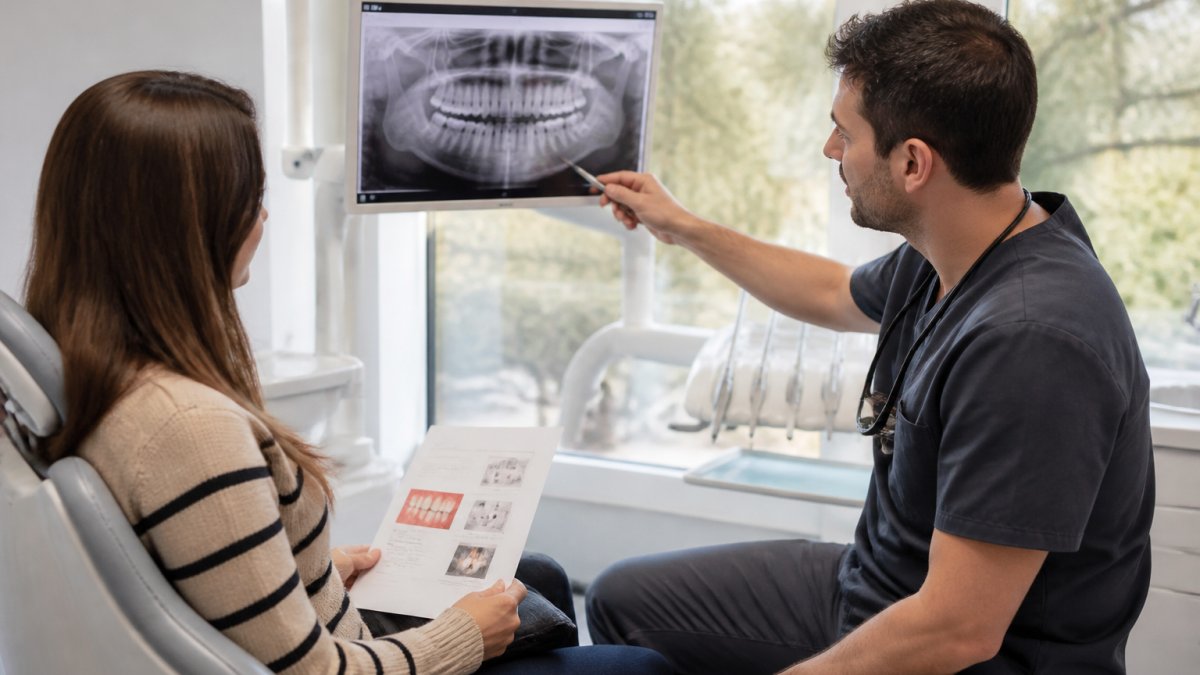
If you want to know what high-quality care should look like, our guide to signs of high quality dental care breaks down the standards worth expecting.
A Practical Second-Opinion Checklist
Use this checklist when something feels off:
- Request copies of your X-rays and treatment notes
- Ask for the diagnosis in plain language
- Confirm the tooth number and what the image shows
If two independent dentists reach the same conclusion, you can proceed with confidence. If they diverge sharply, ask what accounts for the difference.
When to Get a Second Opinion for Dental Work
Get a second opinion whenever a plan involves a crown, root canal, extraction, or multiple fillings at once. These are the procedures where unnecessary dental treatment most often hides. A second opinion is not an insult to your dentist; it is standard diligence.
If you have decided to seek a second opinion and want a practice that explains every step, you can book an appointment and bring your questions with you.
How to Refuse Dental Treatment Without Derailing Your Care
You can decline any treatment. The key is to refuse the procedure, not the relationship. Say something simple: "I'd like to hold off on this and get a second opinion first." A trustworthy dentist will respect that and document your decision. Ask what warning signs should bring you back sooner, and keep up preventive care in the meantime. Refusing a recommended treatment is your right; abandoning routine checkups is not, because that is when small problems become expensive ones.
Urgent Care Versus Treatment That Can Safely Wait
Not everything is an emergency. True urgency includes severe pain, facial swelling, fever, a knocked-out tooth, or a cracked tooth with exposed nerve. Many other findings, including early cavities and mild gum inflammation, can be watched and managed with fluoride toothpaste, better hygiene, and regular monitoring. Ask your dentist to categorize each recommendation as urgent or elective. If they cannot or will not, that tells you something.
Records, X-Rays, and Getting Clear Answers
Clear answers start with clear documentation. You are entitled to see the evidence behind any recommendation, and you are entitled to a written estimate before you consent. Most patients never ask for either, which is exactly why pressure-based practices rely on it.
What to request from your dental office
- A copy of your chart, treatment notes, and X-rays. Under Canadian privacy law, you can request copies of your dental records, though a reasonable copying fee may apply. Ask for the images in a format a second dentist can read, usually a digital file or a printed copy.
- The diagnosis in plain language. Which tooth, which surface, what the image shows, and what happens if you wait.
- A written, itemized estimate. Every procedure, every code, every fee, and the total, before you are asked to consent.
Reading an itemized estimate
An itemized estimate should list each procedure separately, with the fee for each and the total. Watch for these patterns:
- Bundled codes. A single line item that hides several procedures makes it hard to compare against a second opinion.
- Pre-authorization claims. Insurance pre-authorization confirms what your plan will pay, not what is clinically necessary. The two are different questions.
- Coverage versus necessity. A procedure can be fully covered and still be unnecessary, and a necessary procedure can be uncovered. Do not let coverage decide the clinical question.
If a clinic resists sharing records or uses outdated equipment that cannot produce clear images, consider that a red flag. The Canadian Dental Association publishes patient resources on your rights and what informed consent requires. For a sense of what a proper exam should include, see our breakdown of what a dental exam and cleaning involves.
Book a Visit and Ask the Hard Questions
The real test of a dental practice is how it handles your skepticism. A clinic confident in its diagnoses will show you the evidence, give you time, and never punish you for asking. If you have been burned before by pressure tactics, you are not being difficult by wanting proof. You are being sensible.
At Pearly Curve Dentistry, we built our practice around modern treatments, expert support, and comfortable care, and we would rather answer ten questions than rush you into one procedure. If you want a second opinion, a clear treatment plan, or simply a dentist who explains the why, we are here. Get started with Pearly Curve Dentistry and take the pressure out of your next dental visit.
Frequently Asked Questions
How can I tell if a dentist is recommending unnecessary treatment?
Ask to see the evidence behind the recommendation. A dentist should be able to point to a specific area on an X-ray or a photo, explain what they see, and describe what happens if you wait. If the explanation stays vague, if you are shown no images, or if you are pushed to book the same day, slow down. Getting a second opinion for dental work is a normal step, and a confident clinician will not resist it.
Can I refuse dental treatment my dentist recommends?
Yes. You can decline any procedure, ask for a written treatment plan, or take time to think it over. Informed consent means you agree to treatment after understanding the benefits, risks, alternatives, and what happens if you do nothing. Ask what monitoring looks like instead, such as a follow-up exam in a few months. If a problem is urgent, the dentist should explain clearly why waiting is risky.
What questions should I ask before agreeing to a dental procedure?
Ask what the diagnosis is and how it was confirmed, whether an X-ray or photo shows it, what happens if you wait, and what the alternatives are. Request an itemized estimate before treatment starts so you can see the cost of each step. Ask whether the work is preventive, urgent, or elective. These questions to ask before dental treatment turn a vague recommendation into a plan you can actually evaluate.
Should I get a second opinion if I think I had unnecessary dental work?
A second opinion is reasonable whenever a treatment plan feels large, expensive, or unclear. Request copies of your dental records and X-rays, which you are entitled to, and bring them to another dentist for review. A second clinician can confirm whether the clinical findings support the work done. If you believe you were treated fraudulently, you can raise the issue with the provincial dental regulator.