 Listicle
Are Dental Veneers the Right Fix for Your Smile?
Last Updated: November 11, 2026
Quick Summary
Signs you may need dental veneers include chipped or uneven front teeth, stains that whitening does not fix, small gaps, and worn edges on otherwise healthy teeth. A dentist confirms whether dental veneers suit you after checking your gums, bite and enamel.
- Veneers suit healthy teeth that are cosmetically affected, such as chips, intrinsic stains or uneven shape.
- Stains that do not respond to whitening often come from inside the tooth and may need veneers.
- Active gum disease, untreated decay and significant bite problems usually need treatment before veneers.
- Veneer candidacy is confirmed during an examination of gums, bite and enamel condition.
- Enamel removed for veneers cannot grow back, so the decision is irreversible in that sense.
Table of Contents
- What Dental Veneers Are and How They Work
- Signs You May Be a Veneer Candidate
- Veneers, Bonding, Whitening, Crowns or Orthodontics: Which Fits Your Concern
- Dental Veneer Cost in Canada and What Affects the Price
- How Long Veneers Last and What Maintenance Involves
- Risks, Irreversibility and Functional Considerations
- Booking a Consultation to Find Out If Veneers Suit You
- Frequently Asked Questions
What Dental Veneers Are and How They Work
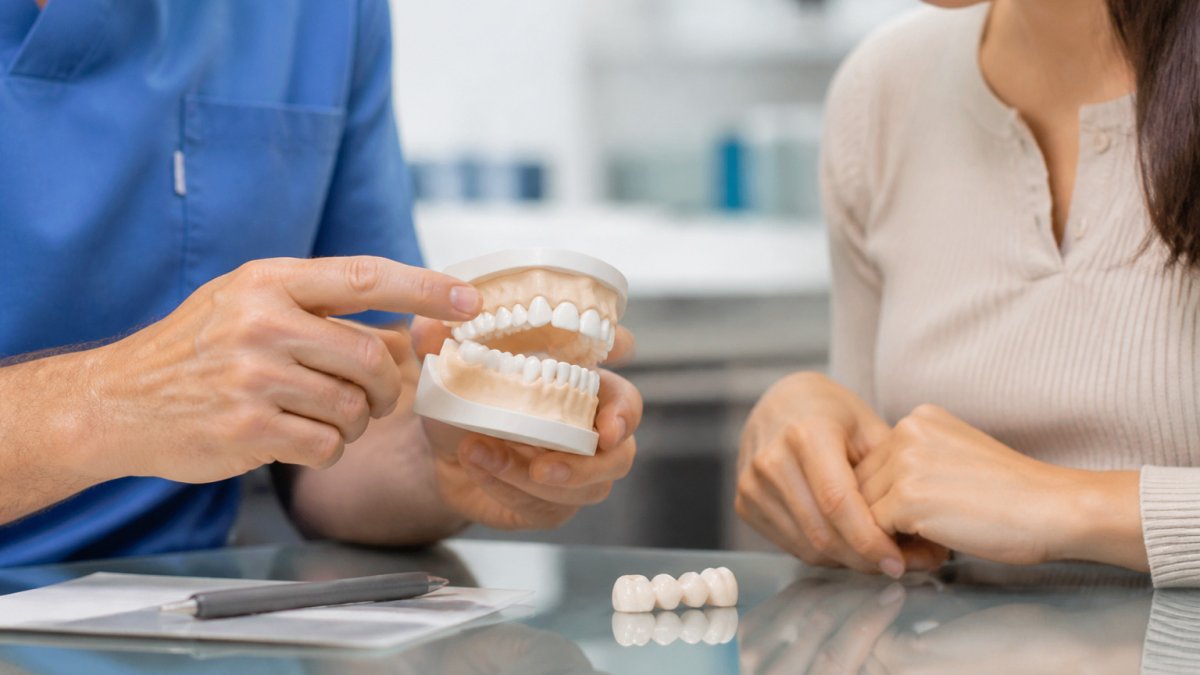
Dental veneers are thin shells, usually made of porcelain or composite resin, that bond to the front surface of a tooth. Veneers can change the shape, colour and apparent alignment of a tooth without covering it entirely.
The process typically starts with a consultation and a treatment plan. A dentist may remove a small amount of enamel so the veneer sits flush with neighbouring teeth. Impressions or digital scans are then taken, and a dental laboratory or in-office system produces the veneer. Once the fit and colour are confirmed, the veneer is bonded in place.
Porcelain and composite veneers differ in several ways. Choosing between them depends on the tooth, the bite and the patient's priorities.
Signs You May Be a Veneer Candidate
Veneers are not the right answer for every smile concern, and a sign on its own does not establish candidacy. Generally, they are considered for teeth that are otherwise healthy but cosmetically affected. A dentist confirms candidacy during an examination that checks the gums, the bite and the condition of the enamel. The table below maps common concerns to the treatment that most often fits, so you can see where veneers sit before you book anything.
| What you notice | What it usually means | Treatment that often fits first | When veneers make sense |
|---|---|---|---|
| Small chip on a front tooth | Localized enamel loss, otherwise sound tooth | Composite bonding | Chip is part of a wider shape or colour concern across several teeth |
| Cracked tooth with pain on biting | Possible structural or internal involvement | Examination, possibly a crown | Crack is superficial and the tooth is otherwise stable |
| Yellow or grey stains that whitening did not change | Intrinsic stain inside the tooth | Whitening first, then reassess | Stain is uniform and the patient wants a lasting colour change |
| Small gap between front teeth | Spacing issue, often bite-related | Orthodontics or bonding | Gap is minor and the patient also wants shape or colour changes |
| Uneven or asymmetrical tooth shape | Developmental or wear-related | Bonding for one tooth | Several teeth need matching shape and colour |
| Worn, shortened edges | Often grinding or clenching | Bite assessment, night guard | Wear is cosmetic and the bite is stable |
| Crooked or crowded front teeth | Alignment problem | Orthodontics | Alignment is minor and the patient prefers a cosmetic route |
Chipped, cracked or broken teeth. Small chips on the front teeth are a common reason people consider veneers. A veneer can cover the damaged area and restore a smooth, even edge. Larger fractures may need a crown instead, depending on how much tooth structure remains. Cracks can be difficult to assess by eye; a dentist may use magnification or imaging to decide whether a veneer is suitable or whether the crack affects the tooth's internal health.
Stains that do not respond to whitening. Surface stains from coffee, tea or tobacco often improve with professional whitening. Intrinsic stains, which develop inside the tooth, usually do not. These can result from medication use during childhood, trauma or enamel defects.
Gaps, uneven shape and worn-down teeth. Small gaps, irregular tooth shapes and teeth worn down by age or habit can all be addressed with veneers. Bonding is often considered for minor changes of this kind. Wear from grinding or clenching is a special case: veneers can restore worn edges, but the underlying habit should be assessed, since it can damage new restorations as well.
When veneers are not the first step. Active gum disease, untreated tooth decay, significant bite problems and heavy grinding usually need care before any cosmetic work.
Veneers, Bonding, Whitening, Crowns or Orthodontics: Which Fits Your Concern
Several treatments can improve a smile, and each suits different concerns. Comparing them helps set realistic expectations.
- Whitening lightens natural tooth colour. It suits surface staining but does not change shape or fill gaps.
- Composite bonding adds tooth-coloured resin directly to the tooth. It is often used for small chips and minor shape issues.
- Veneers cover the front surface with a custom shell. They are a stronger choice for multiple concerns, such as colour plus shape, and tend to be more durable.
- Crowns cover the entire tooth. They are used for significant damage, large fillings or structural weakness, and involve more removal of tooth structure than veneers.
- Orthodontics moves teeth into better alignment. For crowding or bite problems, it may be the appropriate first step before any cosmetic restoration.
A dentist can help determine which option, or combination, best addresses the underlying cause of the concern.
Dental Veneer Cost in Canada and What Affects the Price
Costs for veneers in Canada depend on the type of material, the number of teeth treated, the complexity of the case, and the clinic's fees. For current pricing, please contact Pearly Curve Dentistry directly for a quote tailored to your situation. You can also read an honest review of whether veneers are worth the cost before you decide.
Several factors commonly affect the total cost:
- Porcelain versus composite material
- Number of teeth involved
- Whether preliminary treatment, such as gum care or orthodontics, is needed
- Imaging, impressions and follow-up visits
Patients are encouraged to check their own dental coverage and ask about payment options during a consultation.
How Long Veneers Last and What Maintenance Involves
Veneer lifespan depends on the material, oral hygiene, and habits such as nail biting or grinding. Veneers can also chip or debond, so they are not permanent in the sense that natural enamel is.
Maintenance is straightforward. Brushing twice daily, flossing, and attending regular dental checkups help protect both the veneers and the underlying teeth. Patients who grind their teeth may be advised to use a night guard.
Risks, Irreversibility and Functional Considerations
Veneers involve removing a small amount of enamel, which cannot grow back. This makes the decision irreversible in that sense, and it is worth discussing with a dentist before proceeding. Some patients experience temporary tooth sensitivity after preparation or sensitivity to temperature changes.
Bite function also matters. A veneer that sits too high can cause discomfort or uneven wear on opposing teeth, so the dentist will usually check how the teeth meet before and after placement. Veneers are not designed to correct significant bite problems on their own.
Gum health should be stable before treatment. Gum disease or gum recession can change how a veneer looks over time, and a dentist may recommend addressing these conditions first.
Booking a Consultation to Find Out If Veneers Suit You
A consultation is where candidacy gets decided, and knowing what happens at the appointment makes the visit more useful. At Pearly Curve Dentistry, the visit is an opportunity to discuss your goals, examine your teeth and gums, and talk through options that may include veneers, bonding, whitening or other treatments. You can also learn about the crowns and bridges treatment we offer as a related option.
What the examination typically covers. The dentist reviews your medical and dental history, then examines the teeth, gums and bite. The check usually includes the condition of the enamel, existing fillings, gum health and how the upper and lower teeth meet.
How candidacy is assessed. The dentist is looking for healthy teeth and stable gums, enough enamel to support a bond, and a bite that will not overload the new restorations. If decay or gum disease is present, that is treated first. If grinding or clenching is suspected, a night guard may be recommended before or alongside treatment. The number of teeth involved is also decided here:
Questions worth asking at the appointment.
- Which concern will this treatment address, and which will it not?
- How much enamel will be removed, and is a no-prep or minimal-prep option suitable?
- How many teeth need to be treated to get a balanced result?
- What happens if a veneer chips or debonds?
- How long should I expect the veneers to last, and what does replacement involve?
- What is the total cost, and what does my coverage include?
Realistic outcomes and limitations. Veneers change the colour, shape and apparent alignment of the front teeth. They do not move teeth, correct a deep bite, or fix significant crowding, and they are not a substitute for treating gum disease or decay. Colour matching is done against the surrounding teeth, and the final shade can differ slightly from a shade chart because natural teeth are not uniform.
Our team can walk you through what to expect at the appointment, including how candidacy is assessed. You can read more about the consultation process for dental veneers before you decide. When you are ready, you can book an appointment directly.
Veneers can meaningfully improve a smile, but they work best when matched carefully to the underlying concern. Pearly Curve Dentistry aims to provide supportive care and clear information. Get started with a consultation to explore your options and find out whether veneers are right for you.
Frequently Asked Questions
What are the primary signs that I need dental veneers?
Common signs include chipped, cracked or broken front teeth, stains that do not lift with whitening, noticeable gaps, uneven or worn teeth, and a smile you feel self-conscious about. Veneers are generally considered for cosmetic concerns affecting the front surfaces of the teeth. Having one of these signs does not guarantee you are a candidate. Your dentist will examine your enamel, gums and bite before recommending veneers, and may suggest a less invasive option depending on what is causing the problem.
Are dental veneers considered a permanent procedure?
Preparing a tooth for a veneer usually involves removing a thin layer of enamel, which cannot grow back. This makes the change largely irreversible, so a veneer will eventually need replacement and the natural tooth surface stays altered. Because of this, it is worth discussing the long-term implications, alternatives such as composite bonding, and maintenance expectations with a dental professional before committing.
How much do dental veneers cost in Canada?
Veneer fees in Canada vary depending on the material, the number of teeth treated, the complexity of the case and the clinic. Pearly Curve Dentistry has not published fixed prices for veneers, so costs are best confirmed through a consultation or by contacting the office directly. Ask for a written treatment plan with a full breakdown in CAD, and check with your dental insurance provider about whether any portion of cosmetic work is covered.
How long do porcelain veneers typically last?
Porcelain veneers are often described as lasting many years with good care, but the exact lifespan depends on oral hygiene, bite forces, teeth grinding, and how well the veneer was bonded. Habits such as biting hard objects or clenching can shorten their life. Regular dental checkups allow your dentist to spot chips, loosening or gum changes early, which can extend how long your veneers remain in good condition.