 Ultimate guide
How Long Do Dental Implants Last in Canada?
Table of Contents
- How Long Dental Implants Last: The Short Answer
- Implant Post Versus Crown: Why the Parts Last Differently
- Factors Affecting Dental Implant Longevity
- How to Care for Dental Implants Day to Day
- Peri-Implantitis: Prevention, Symptoms and Treatment
- Signs of Dental Implant Failure and What Happens Next
- Booking Your Implant Maintenance Visit at Pearly Curve Dentistry
- Frequently Asked Questions
Last Updated: November 6, 2026
Dental implants are one of the most durable options for replacing a missing tooth, and many patients want a clear answer to how long dental implants last. The honest answer is that implants can last decades, but the lifespan depends on the components, your oral health, and how well the implant is maintained. A dental implant is a titanium post placed into the jawbone, topped with a crown that looks and functions like a natural tooth.
The Canadian Dental Association provides general information on dental implants and oral health, and its guidance is a good starting point for patients. Canadian Dental Association patient information on dental implants
How Long Dental Implants Last: The Short Answer
Many dental implants remain in place for a long time with good care, and some last considerably longer. Results vary between studies, implant types, and patient groups. The implant post itself is usually the most durable part, while the crown on top may need replacement sooner due to normal wear.
It helps to think of an implant as several parts with different lifespans rather than one object with a single expiry date. A clinician can explain what to expect for your specific situation during a consultation.
Implant Post Versus Crown: Why the Parts Last Differently
The implant post sits inside the jawbone and fuses with the bone over several months in a process called osseointegration. Because it is anchored in bone and protected beneath the gum line, it is generally the longest-lasting component. The abutment, which connects the post to the crown, and the crown itself are exposed to chewing forces and daily use, so they are more likely to wear, chip, or loosen over time.
Crown replacement is a common maintenance step, and it does not usually mean the implant post has failed. Your dentist can check each component during routine visits and advise when a part should be repaired or replaced.
Factors Affecting Dental Implant Longevity
No single factor decides how long an implant lasts; longevity is the product of how patient factors, treatment factors, and daily load interact over years. A common pattern is that two moderate risks together, say, well-controlled gum disease plus nighttime grinding, matter more than either one alone. Your dentist weighs them together before placement and again at every maintenance visit.
Patient factors: bone, biology, and health
Bone quality and volume are foundational. The implant post needs enough healthy bone to fuse with, and sites with thin or soft bone, or bone lost to earlier gum disease or extraction, may need grafting before or during placement. Medical conditions that affect healing or bone, poorly controlled diabetes, certain autoimmune conditions, and medications that alter bone turnover, can change the risk picture, which is why your clinician reviews your medical history rather than treating the mouth in isolation. Smoking remains one of the most consistently reported modifiable risks: it impairs blood flow and healing and is associated with higher failure rates, especially when healing is still underway.
Treatment factors: placement, prosthetics, and bite
How the implant is placed matters as much as the biology around it. Position, angulation, and the amount of attached gum around the site influence how easily you can clean it and how chewing forces travel through the bone. The prosthetic design, a single crown versus a bridge supported by implants, changes the load each implant carries. Bite forces and parafunction (grinding and clenching, or bruxism) are the most common overload risks; a custom nightguard is often recommended when bruxism is suspected, and your dentist can assess whether the wear pattern on your crown suggests it (Jaw Clenching and Teeth Grinding (Bruxism)).
How the factors combine
Think of risk as additive rather than binary. A non-smoker with healthy gums, adequate bone, and a well-positioned single implant faces a very different long-term picture than a smoker with a history of periodontitis and a bridge carrying heavy bite forces. The practical takeaway is that the factors you can change, smoking, hygiene, attending maintenance visits, and managing grinding, are the ones worth acting on, while the factors set at placement are best discussed before treatment begins. A clinician can explain which factors apply to your specific situation during a consultation.
The article breaks the main factors affecting implant lifespan into patient and treatment categories, summarised below.
| Factor | Example from the article | Why it matters |
|---|---|---|
| Bone quality and volume | Thin or soft bone, or bone lost to gum disease | Implant post needs healthy bone to fuse |
| Smoking | Impairs blood flow and healing | Associated with higher failure rates |
| Medical conditions | Poorly controlled diabetes, autoimmune conditions | Can affect healing and bone |
| Implant placement | Position, angulation, attached gum | Affects cleaning and how chewing forces travel |
| Bite forces and grinding | Bruxism or clenching | Most common overload risk |
| Prosthetic design | Single crown versus implant-supported bridge | Changes the load each implant carries |
How to Care for Dental Implants Day to Day
Caring for implants is much like caring for natural teeth, with a few additions. Brush twice a day with a soft-bristled brush, clean between the teeth and around the implant crown daily using floss or an interdental brush, and rinse as recommended by your dental team.
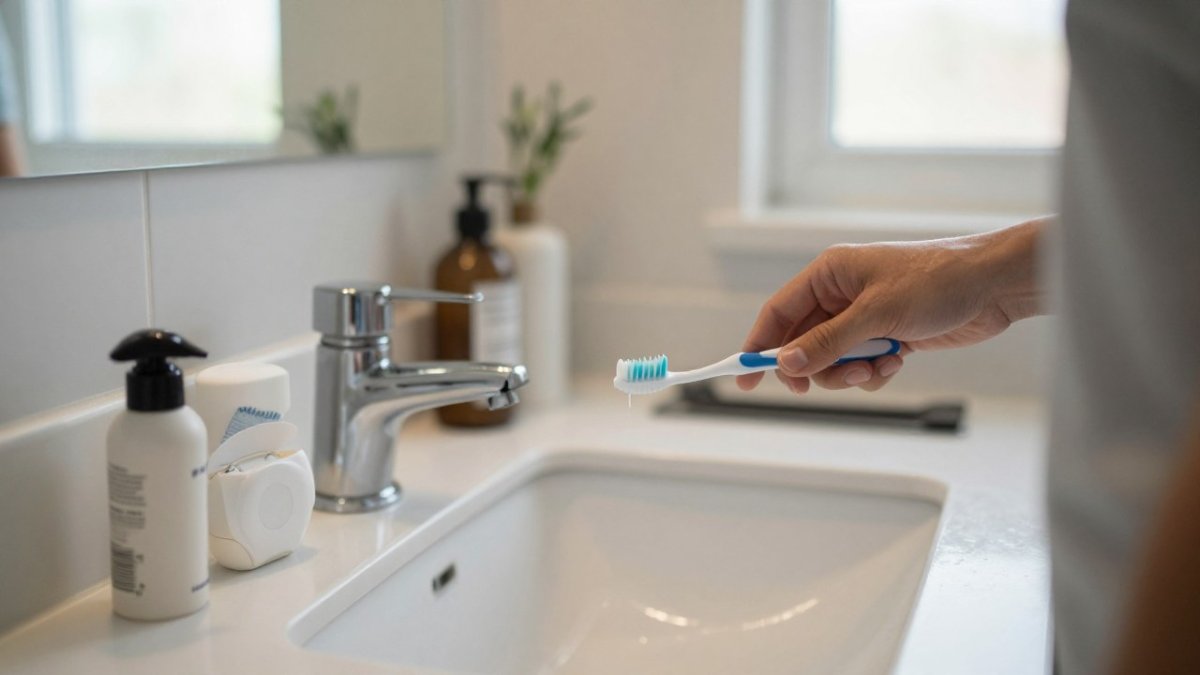
Routine professional checkups and cleanings allow your dentist to spot early signs of gum problems and check the crown and bite. Regular visits as advised by your clinician are recommended. Bringing your daily routine to these appointments helps your dental team tailor advice to you.
Peri-Implantitis: Prevention, Symptoms and Treatment
Peri-implantitis is an inflammatory condition affecting the soft and hard tissues around a dental implant, and it can contribute to implant failure after years of function. Warning signs can include bleeding gums around the implant, swelling, persistent bad taste or odour, pus, or an implant that feels loose.
Prevention centres on good daily hygiene, avoiding smoking, and keeping up with professional maintenance. If signs appear, seeing a dentist promptly gives the best chance of managing the condition. Treatment options depend on how far the problem has progressed and are best determined by a clinician after an examination.
Signs of Dental Implant Failure and What Happens Next
It helps to separate two questions that are often blurred together: whether the implant post survives, and whether the crown or prosthesis on top needs replacement. Long-term studies generally report high survival rates for implant posts, but those figures describe the post, not the crown. Crowns wear, chip, or loosen with normal use and are replaced more often than posts are removed. Study follow-up periods also shape the numbers, so treat any single percentage as a snapshot rather than a promise.
Early versus late failure
Failure can occur early, during the healing period before the post has fused with bone, or late, after years of function. Early failure is often linked to infection, inadequate bone, or problems with healing; late failure is more often associated with peri-implantitis, overload from bite forces or grinding, or a loosened or fractured component. Your dentist can usually tell which component is involved, crown, abutment, or post, before deciding on treatment.
Warning signs to act on
Seek an assessment if you notice looseness of the crown or post, pain that persists rather than settling, swelling or bleeding around the implant, a persistent bad taste or odour, pus, or a change in how your bite feels. Some of these point to a reversible component problem; others suggest infection or bone loss that is easier to manage when caught early.
What evaluation and treatment look like
Evaluation typically starts with a clinical exam, probing around the implant, and imaging to check bone levels and component fit. Depending on what is found, options may include treating infection and retaining the implant, replacing a worn or loosened crown or abutment, or, when the post itself is failing, removing the implant. Removal is not the end of the story: the site is allowed to heal, bone may be grafted, and replacement options can be discussed once the tissues have settled. Not every failure follows the same path, and a clinician can explain which route suits your situation.
Patients who want a fallback option while planning next steps can look at our dentures treatment for general information on removable replacement teeth, and those with a bridge or crown restoration can review our crowns and bridges treatment to understand how these parts are made and maintained.
Booking Your Implant Maintenance Visit at Pearly Curve Dentistry
Regular maintenance visits are the best way to protect your implants over the long term. If you have questions about your implant's condition or want to schedule a checkup, you can reach out to Pearly Curve Dentistry. You can contact us with questions, or book an appointment directly to arrange your visit.
Frequently Asked Questions
How many years do dental implants usually last?
Many dental implants remain in place for decades, and long-term studies commonly report high survival rates over 10 years and beyond. The implant post is typically the most durable part, while the crown on top may need repair or replacement sooner, often within 10 to 15 years, depending on wear, bite forces and hygiene. Individual results vary, so the most reliable answer comes from a dental examination that assesses your bone, gums and bite. Your dentist can explain what to expect for your specific situation.
Do dental implants last longer than crowns or bridges?
In most cases the implant post itself lasts longer than a crown or bridge sitting on top of it. Crowns are made of materials that wear down from chewing and grinding, so they are more likely to need replacement. A bridge supported by implants can also last a long time, but its lifespan depends on the condition of the supporting implants and the gums around them. Regular checkups help identify wear early so that a crown can be replaced without affecting the implant itself.
Can a dental implant be replaced if it fails?
In many cases a failed implant can be replaced, though the approach depends on why it failed. If the problem is caused by infection or peri-implantitis, the dentist will first treat the infection and may need to remove the implant and allow the bone to heal before placing a new one. Bone loss may need grafting before a replacement is possible. Because each situation differs, a consultation with a qualified dental professional is the best way to find out what options apply to you.