 ultimate-guide
What Is Restorative Dental Care? Process Explained
Table of Contents
- What Restorative Dental Care Actually Is
- Types of Restorative Dental Procedures
- How to Prepare for Restorative Dental Treatment
- The Restorative Dental Care Process, Step by Step
- Recovery Time for Dental Restorations
- Paying for Restorative Dental Care
- Keeping Restorations Healthy Long Term
- Conclusion
- Frequently Asked Questions
Last Updated: October 1, 2026
What Restorative Dental Care Actually Is
Restorative dental care is the branch of dentistry focused on repairing teeth that have been damaged, decayed, or lost, and on rebuilding how your mouth functions day to day. This guide from Pearly Curve Dentistry walks through the full process, from the first exam to the years of maintenance that follow. Most people meet restorative dentistry at the worst possible moment: a cracked molar on a Friday night, or a filling that finally gives out.
Types of Restorative Dental Procedures
Restorative treatments fall into three groups: direct restorations placed in a single visit, indirect restorations made from a mould of your tooth, and replacements for missing teeth. Which group you land in depends on how much healthy tooth structure remains.
| Category | Examples | Typical Visits | Best For |
|---|---|---|---|
| Direct | Composite fillings, bonding | 1 | Small to moderate cavities, chips |
| Indirect | Crowns, bridges, inlays, onlays | 2+ | Cracked or heavily worn teeth |
| Replacement | Implants, dentures | Several | Missing teeth |
Direct Restorations: Fillings and Bonding
Direct restorations are sculpted into the tooth while you sit in the chair. Tooth-colored composite materials now dominate here, bonding to the remaining enamel rather than just sitting inside a cavity. A common mistake is delaying a small filling because it doesn't hurt; decay rarely announces itself until it reaches the nerve, and by then the fix is a root canal.
Indirect Restorations: Crowns, Bridges, Inlays and Onlays
Indirect restorations are fabricated from an impression or digital scan, usually in a dental lab, then fitted at a second appointment. Crowns cap a tooth completely. Bridges span a gap by anchoring to neighbouring teeth. Inlays and onlays sit inside or over the chewing surface, preserving more natural tooth than a full crown. The trade-off is time: two visits instead of one.
Tooth Replacement: Implants and Dentures
Dental implants replace a missing tooth root with a titanium post that supports a crown, and they depend on healthy bone and gum tissue to succeed. Dentures remain the practical choice when many teeth are missing or surgery isn't appropriate. Implants placed into inflamed gums tend to fail, so treatment often starts with gum care.
How to Prepare for Restorative Dental Treatment
Preparation starts with disclosure, not paperwork. Tell your dentist about every medication you take, including blood thinners and supplements, plus any heart conditions, diabetes, or previous reactions to local anesthesia. Bring a list rather than trying to remember it in the chair. If you use a CPAP machine or grind your teeth at night, say so, because both change how a restoration gets designed.
Practical steps worth taking before your appointment:
- Arrange transportation if sedation is planned
- Eat a normal meal unless told otherwise
- Write down your questions and bring them
- Confirm your insurance coverage and any pre-authorization requirements
- Clear your calendar for the rest of the day
The Restorative Dental Care Process, Step by Step
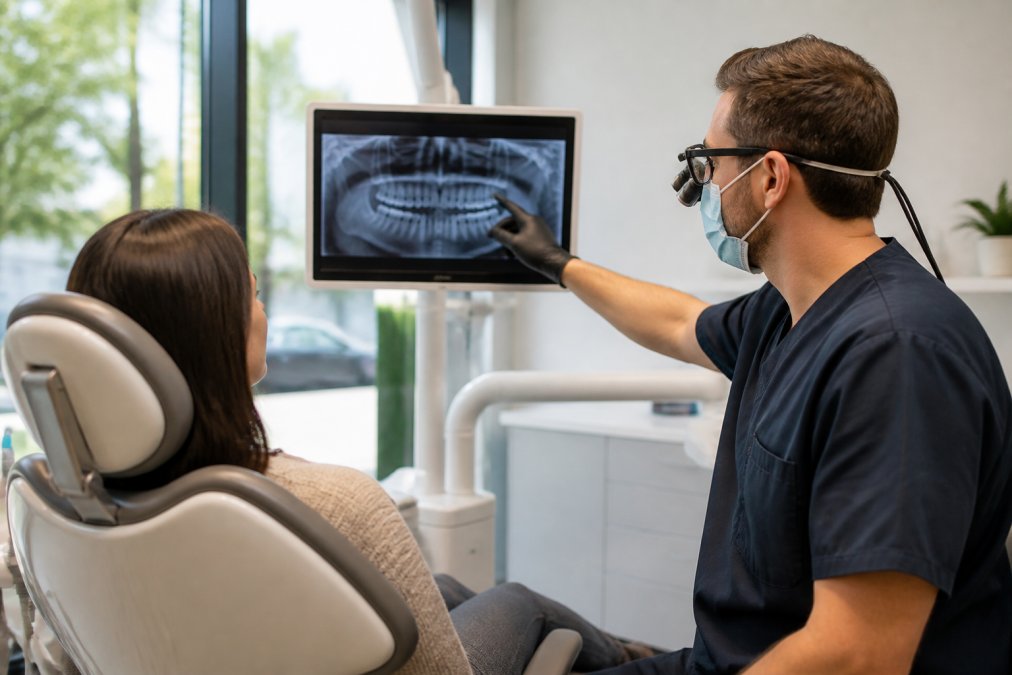
Step 1: Exam, Imaging and Treatment Plan
Your dentist examines soft tissue, checks each tooth, and takes imaging to see below the surface. Bitewing X-rays catch decay between teeth; a panoramic or cone-beam image shows roots, bone levels, and nerve position. This is where a treatment plan gets built, sequenced so urgent problems come first.
Step 2: The Procedure Appointment
Most restorative work happens under local anesthesia, and appointment length depends on how many teeth are involved. A single filling may take thirty minutes; a crown preparation an hour or more. For indirect restorations, impression taking or digital scanning happens here, and you'll often leave with a temporary in place.
Step 3: Fitting, Bite Checks and Follow-Up
For indirect work, the final restoration is fitted and your occlusion, the way your upper and lower teeth meet, gets checked carefully. A crown that sits even slightly high can cause jaw soreness within days; one that sits low leaves the tooth feeling vague when you bite. Both are correctable, and easier to correct early.
What Recovery Looks Like After Each Stage
Recovery differs sharply by treatment:
- Composite fillings and bonding: mild sensitivity to cold for one to two days; normal eating usually resumes the same day.
- Crowns, bridges, inlays, onlays: sensitivity for one to two weeks, especially with hot and cold; the temporary crown may feel loose and should be reported if it does.
- Extractions: soft diet for several days, gum tissue closes over weeks, and the socket fills in over months.
- Implants: surgical discomfort fades within about a week, but the implant integrates with bone over several months before the final crown is placed.
Call your dentist if pain increases after day three, if a restoration feels loose, or if you can't bite down evenly. Those are signals to check, not signs to wait out.
Recovery Time for Dental Restorations
Recovery time for dental restorations varies by procedure, but most patients return to normal eating within a few days. Fillings and bonding typically settle within 24 to 48 hours. Crowns and onlays may feel sensitive for a week or two, particularly with hot and cold. Implants are the outlier: healing happens over months, not days, even though the surgical site feels manageable within a week.
Paying for Restorative Dental Care
Cost depends on the procedure, the materials, and how much work a tooth needs, so any responsible answer starts with an examination and a written estimate. In Canada, the Canadian Dental Care Plan now covers eligible residents for a range of services, but eligibility rules and covered amounts change, so check the official program details rather than relying on secondhand summaries.
Keeping Restorations Healthy Long Term
Restorations last longer when the mouth around them stays healthy. An oral hygiene routine that protects natural enamel also protects the margins where a crown or filling meets the tooth, the spots where decay tends to restart. Brush twice daily, clean between teeth once a day, and keep regular checkups even when nothing hurts.
Why Restorations Fail
Most failures fall into four categories:
- Recurrent decay at the margin. Bacteria collect where the restoration meets the tooth. This is the most common cause of filling replacement, and it is largely preventable with flossing and fluoride.
- Fracture from bite force. Grinding and clenching concentrate force on the restoration and the tooth around it. A cracked crown or a chipped filling often traces back to an untreated clenching habit.
- Wear and material fatigue. Composite fillings wear faster than ceramic or gold restorations. A filling that has served well for years may simply be reaching the end of its material life.
- Gum recession and root exposure. As gums recede, the root surface becomes exposed and is softer than enamel, making decay near the restoration more likely.
How Long Restorations Typically Last
Longevity depends on the material, the tooth's condition, and your habits. Composite fillings need replacement sooner than crowns, and crowns on back teeth take more force than those on front teeth. Implants can last decades when bone and gum health are maintained, but still require the same hygiene as natural teeth. The strongest factor you control is whether you grind or clench, because that habit shortens the life of every restoration type.
Failure Signs vs. Normal Sensation
Separate what is expected from what is a warning:
- Expected: mild cold sensitivity for a week or two after a crown, or a day or two after a filling.
- Warning: new sensitivity that appears months after a restoration settled, or sensitivity to sweets specifically.
- Expected: a temporary crown that feels slightly different from your natural tooth.
- Warning: a permanent restoration that feels loose, moves when you bite, or has visible darkening at the edge.
- Expected: some tenderness around an extraction site for several days.
- Warning: gum tenderness or bleeding near a restored tooth that does not improve, or a bite that suddenly feels different.
What most people miss is that grinding and clenching destroy restorations faster than decay does. If you wake with jaw soreness or flattened chewing surfaces, raise it at your next visit. A night guard costs far less than repeatedly replacing cracked crowns.
Conclusion
Restorative dental care works best when it's planned rather than improvised in an emergency, and that planning starts with a proper exam and an honest conversation about what you can afford and tolerate. At Pearly Curve Dentistry, we build treatment plans around modern techniques, clear explanations, and a pace that respects anxious patients, so you understand each step before it happens.
Frequently Asked Questions
Is restorative dentistry painful?
Most restorative procedures are done with local anesthesia, so you should not feel pain during treatment. Expect some tenderness or sensitivity for a few days afterward, especially with root canal therapy or extractions. Over-the-counter pain relief and soft foods usually manage it. If pain worsens after the first few days or you notice swelling, call your dentist, because that can signal a problem with the restoration or bite alignment.
Is a root canal considered a restorative procedure?
Yes. Root canal therapy removes infected pulp from inside a tooth, then the tooth is sealed and typically covered with a dental crown. It restores both dental functionality and structural integrity, which places it firmly in restorative dental care rather than cosmetic work. Without it, an infected tooth often needs extraction, which leads to missing teeth and more complex replacement options.
How long does a dental restoration last?
Restoration longevity varies by type. Composite fillings often last several years, while crowns, bridges and implants can last much longer with good care. How long yours lasts depends on the material, the tooth's position, your bite alignment, and your oral hygiene routine. Regular checkups let your dentist catch worn edges or loose margins early, before a small repair becomes a full replacement.
What is the difference between cosmetic and restorative dentistry?
Restorative dental care fixes damaged teeth, tooth decay or missing teeth to bring back chewing function, bite alignment and periodontal health. Cosmetic dentistry changes the appearance of teeth that already work, such as whitening or veneers. The two overlap, since tooth-colored materials and aesthetic restoration can make a repaired tooth look natural, but the goal of restorative work is function first.
How do I prepare for restorative dental treatment?
Ask for a written treatment plan with the sequence of visits, then share your full medical history, including medications and any anxiety you have about dental work. Arrange a ride home if sedation is planned, eat a normal meal beforehand unless told otherwise, and ask about costs and payment options in advance. Bringing your questions to the consult makes the procedure appointment smoother.
Does dental insurance cover restorative dental care?
Coverage depends on your plan and the procedure. Many plans cover a portion of fillings, crowns and root canals, while others exclude implants or dentures. The Canadian Dental Care Plan may help eligible residents with certain services. Because rules and eligibility change, check your own plan booklet and the official program page, and ask the clinic for a pre-treatment estimate before you commit.