 listicle
Wisdom Tooth Extraction Cost: What to Expect
Table of Contents
- What Determines Wisdom Tooth Extraction Cost
- Understanding the Dental Fee Guide Ontario
- Dental Insurance Coverage for Oral Surgery
- Out-of-Pocket Cost Breakdown After Insurance
- Financing and Payment Plan Options
- Wisdom Teeth Removal Recovery Time and Post-Operative Care
- Signs You Need Wisdom Teeth Removal
- What's Included in the Extraction Fee
- Frequently Asked Questions
Last Updated: August 28, 2026
What Determines Wisdom Tooth Extraction Cost
The cost of wisdom tooth extraction depends on several interconnected factors that can dramatically shift your out-of-pocket expense. Understanding these variables helps you anticipate pricing and make informed decisions about your care.
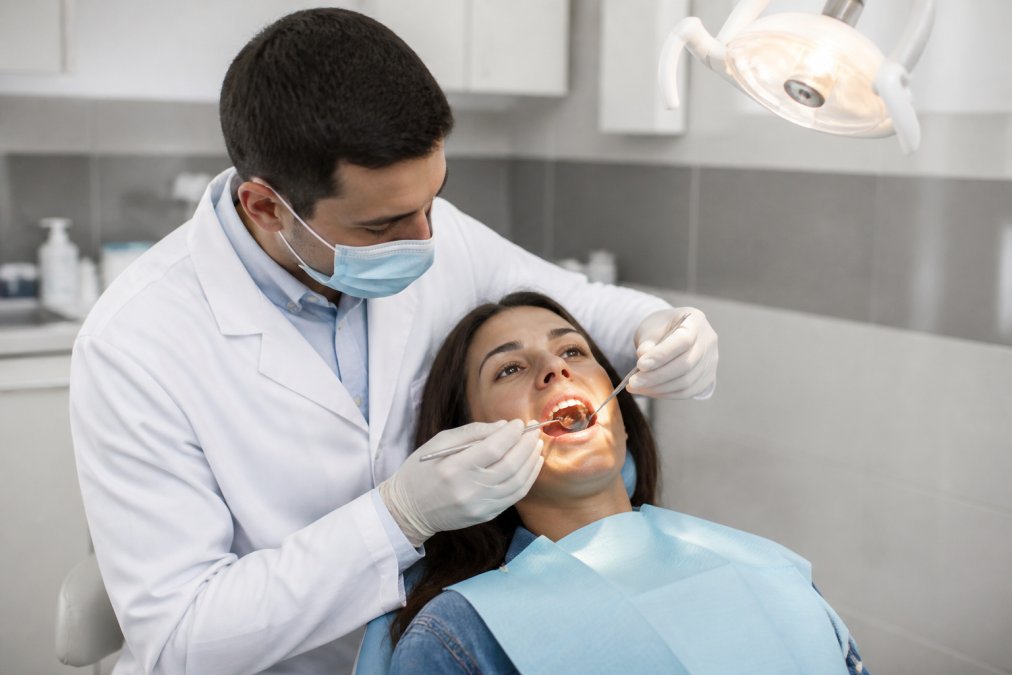
Simple vs. Surgical Extraction
Simple extractions involve teeth that have fully erupted and are visible in the mouth. The dentist uses an elevator to loosen the tooth and forceps to remove it, typically taking 15-30 minutes under local anesthesia. Surgical extractions are necessary when teeth are impacted, partially erupted, or embedded in bone. The oral surgeon must make an incision, potentially remove bone, and sometimes section the tooth into pieces. This demands specialized training, more time, and often sedation, pushing costs significantly higher.
At Pearly Curve Dentistry, we assess whether your wisdom teeth require simple or surgical extraction during your initial consultation. This determination is the single biggest cost driver for wisdom tooth extraction cost procedures.
Impacted Wisdom Teeth and Surgical Complexity
Impacted wisdom teeth are trapped beneath the gum line or bone, unable to erupt normally. Soft tissue impaction means the tooth is covered by gum but not bone; bony impaction occurs when the tooth is partially or completely surrounded by jawbone. Bony impaction requires removing bone, extending procedure time and complexity, which increases cost. The dental fee guide Ontario references for specialist oral surgeons account for impaction severity. Your panoramic X-ray reveals the exact position and angulation of impacted teeth, allowing the surgeon to quote an accurate fee.
Anesthesia and Sedation Options
Local anesthesia numbs only the tooth and surrounding tissue, allowing you to remain conscious. This is the least expensive option and is standard for most simple extractions. Nitrous oxide combined with local anesthesia relaxes you while keeping you awake and responsive, costing more than local anesthesia alone but less than deeper sedation.
IV sedation puts you into a twilight state where you're conscious but deeply relaxed with minimal memory of the procedure. This requires an anesthesiologist and monitoring equipment, with recovery taking several hours. General anesthesia renders you completely unconscious and is typically reserved for complex cases or severe dental anxiety, involving hospital or surgical facility fees and the longest recovery period.
Private dental insurance plans often cover sedation at different rates. Some plans exclude IV sedation or general anesthesia entirely, leaving you responsible for those costs.
Understanding the Dental Fee Guide Ontario
The Ontario Dental Association publishes the dental fee guide, which establishes reference fees for dental procedures across the province. This guide is not a fixed price but a benchmark that helps patients understand typical costs and allows insurance companies to process claims consistently. Dentists may charge above or below the guide depending on their overhead, expertise, and practice location.
According to the Ontario Dental Association fee guide, wisdom tooth extraction fees vary based on complexity. Simple extractions fall into one category, while surgical extractions, particularly those involving impacted teeth, command higher fees. Specialist oral surgeons typically charge more than general dentists. When you receive a treatment estimate, ask whether it's based on the current ODA fee guide to compare quotes fairly.
Dental Insurance Coverage for Oral Surgery
Dental insurance plays a critical role in managing wisdom tooth extraction costs. Most private plans categorize extractions as either basic or major dental services, with different coverage percentages for each category.
Private Dental Insurance and Extraction Benefits
Private dental insurance typically covers simple extractions at a higher percentage, often 70-100%, under basic dental services. Surgical extractions usually fall under major dental services and are covered at a lower percentage, typically 50-80%. Most private plans have annual maximums, commonly between $1,000 and $2,500 per year. If you're having all four wisdom teeth removed surgically, you could easily exceed your annual maximum, leaving you responsible for the balance.
Many private insurance plans don't cover IV sedation or general anesthesia, treating them as elective rather than necessary. Direct billing to insurance simplifies the payment process, you pay only your co-payment or deductible at the appointment rather than paying the full fee upfront.
Canadian Dental Care Plan Coverage
The Canadian Dental Care Plan (CDCP) is a federal government program providing dental coverage for eligible Canadian residents without private dental insurance and with household income under $90,000. The plan covers both simple and surgical wisdom tooth removals.
According to the Canadian Dental Care Plan official information, the co-payment structure varies by household income: households earning under $70,000 pay 0% co-payment, those earning $70,000-$79,999 pay 40%, and those earning $80,000-$89,999 pay 60%. All wisdom tooth extractions under the CDCP require preauthorization from Sun Life, the plan administrator, which typically takes a few business days. The plan reimburses based on its own national fee guide, which may be lower than your dentist's actual charge.
Out-of-Pocket Cost Breakdown After Insurance
Understanding what you'll actually pay requires calculating your total procedure cost, subtracting insurance coverage, and accounting for deductibles or co-payments. Assume a surgical extraction of one impacted wisdom tooth costs $800 based on the ODA fee guide. Your private insurance covers surgical extractions at 60%, so the insurer pays $480 and you're responsible for $320.
If you're extracting all four wisdom teeth surgically, four extractions at $800 each total $3,200. Your insurance covers 60% of that, paying $1,920. You owe $1,280 out-of-pocket. Add IV sedation at $400-$600, and your total personal cost could exceed $1,500-$1,700.
CDCP coverage changes this calculation dramatically for eligible households. A household earning under $70,000 pays nothing for extractions covered under the plan. Insurance maximums create another reality check, if your annual maximum is $1,500 and you've already used $1,200 on other dental work, only $300 remains for wisdom tooth extraction.
Financing and Payment Plan Options
When extraction costs exceed your insurance coverage or savings, financing options make the procedure manageable through monthly payments.
Third-Party Financing Services
Dentalcard is a financing company specializing in dental procedures, offering low or zero-interest payment plans. The application process is quick, and approval decisions come within days. PayBright (now operating as Affirm in Canada) functions similarly, offering "buy now, pay later" installment options. Both services charge interest depending on the repayment term you choose. A 12-month plan may carry zero interest, while longer terms incur interest charges.
Health Spending Accounts and Employer Benefits
If your employer offers a Health Spending Account (HSA), you can use pre-tax dollars to cover wisdom tooth extraction and related costs. According to Canada Revenue Agency information on health spending accounts, HSA funds designated for dental care can cover extractions, anesthesia, and post-operative medications. Check your employer's HSA plan to confirm dental coverage limits. If you don't have an HSA but your employer offers a dental benefits plan, extraction coverage applies first.
Wisdom Teeth Removal Recovery Time and Post-Operative Care
Recovery from wisdom tooth extraction varies based on whether you had simple or surgical extraction and which anesthesia you received.

Healing Timeline and Expectations
Simple extraction recovery is fastest. Most people return to normal activities within 3-7 days. Surgical extraction recovery takes longer, expect 7-10 days of significant swelling and discomfort, with gradual improvement over the following 2-3 weeks. The first 48 hours are typically the most uncomfortable, with swelling peaking around day 2-3.
General anesthesia adds recovery time. You'll need someone to drive you home and should plan to rest for the remainder of the day. Full recovery from anesthesia typically takes 24 hours. Extracting multiple teeth compounds recovery, removing all four wisdom teeth at once means more surgical sites and longer healing, typically 10-14 days before returning to normal activities.
Dry Socket Prevention and Aftercare
Dry socket is a painful complication occurring when the blood clot protecting the extraction site dislodges. Avoid smoking and using straws for at least 5-7 days after extraction, as both create suction that can dislodge the protective clot. Don't rinse vigorously or spit forcefully. Sleep with your head elevated on extra pillows to reduce swelling.
Stick to soft foods for the first few days, yogurt, smoothies, applesauce, mashed potatoes, soup. Avoid hot foods and beverages. Once you can tolerate it, start gentle salt water rinses (1/2 teaspoon salt in 8 oz warm water) after meals. Take prescribed antibiotics exactly as directed, even if you feel better. If you develop severe pain, fever, or swelling that worsens after day 3-4, contact your dentist immediately.
Pain management typically involves over-the-counter ibuprofen or acetaminophen for the first few days. Apply ice packs for 15 minutes on, 15 minutes off during the first 24-48 hours to reduce swelling.
Signs You Need Wisdom Teeth Removal
Pain or swelling around the back of your mouth signals potential issues. Persistent discomfort warrants a professional evaluation. Difficulty opening your mouth wide or pain when chewing suggests the wisdom teeth are interfering with normal function.
Repeated infections or gum disease around the wisdom teeth area often indicates they should be removed. Partially erupted teeth create pockets where bacteria accumulate. Crowding of your other teeth, particularly after orthodontic treatment, may point to wisdom teeth as the culprit. Cysts or tumors developing around impacted wisdom teeth, though rare, absolutely require extraction. Damage to adjacent teeth from an impacted wisdom tooth necessitates removal to prevent further harm.
What's Included in the Extraction Fee
The extraction fee typically includes the professional extraction service itself, local anesthesia, and immediate post-operative care during your appointment. The extraction fee does not usually include the panoramic X-ray needed to assess tooth position, which many dental offices charge $50-$150 for.
Sedation or general anesthesia is billed separately from the extraction fee. Prescription medications are typically not included in the extraction fee, budget $20-$60 for medications depending on what's prescribed. Follow-up appointments to monitor healing and remove stitches may be included or charged separately depending on your dentist's policy. Emergency treatment for complications like dry socket or infection is charged separately.
At Pearly Curve Dentistry, we provide transparent cost breakdowns before any procedure. During your consultation, we explain what's included in our extraction fee and what costs separately.
Wisdom tooth extraction doesn't have to drain your finances if you understand the factors driving cost and explore your coverage options. Whether you're using private insurance, the Canadian Dental Care Plan, or financing through a third-party service, solutions exist to make extraction affordable.
At Pearly Curve Dentistry, we're committed to transparent pricing and personalized care. We work directly with your insurance, explain financing options, and ensure you understand every aspect of your treatment before proceeding. Book an appointment today to discuss your wisdom teeth and get a clear cost estimate tailored to your situation.
Frequently Asked Questions
What factors influence the total cost of wisdom tooth extraction?
Extraction cost depends on complexity, anesthesia type, and whether teeth are impacted. Simple extractions performed by a general dentist typically cost less than surgical removals by a specialist. Soft tissue and bony impactions increase complexity. Local anesthesia is standard, while sedation dentistry or general anesthesia adds to the fee. Radiographic imaging and clinical assessment are also factored into the total cost.
Does private dental insurance cover wisdom tooth removal?
Most private dental insurance plans cover wisdom tooth extraction, typically at 70-100% for simple extractions under basic dental services and 50-80% for surgical extractions under major dental services. However, coverage varies by plan, and annual maximums (usually $1,000-$2,500) may not fully cover all four teeth. Check your plan details for waiting periods and sedation coverage limits.
What is the Canadian Dental Care Plan and how does it help with extraction costs?
The Canadian Dental Care Plan (CDCP) is a federal program for eligible residents without private insurance and household income under $90,000. It covers both simple and surgical wisdom tooth extractions with co-payments based on income: 0% for incomes under $70,000, 40% for $70,000-$79,999, and 60% for $80,000-$89,999. Preauthorization from Sun Life is required for all wisdom tooth extractions.
What payment options are available if I can't afford the full cost upfront?
Several financing options help spread costs: third-party services like Dentalcard and PayBright offer low or zero-interest payment plans; Health Spending Accounts (HSAs) allow pre-tax contributions for eligible employees; and many dental clinics accept major credit cards. If you qualify, the CDCP or government programs like Ontario Works may reduce or eliminate your out-of-pocket expense.