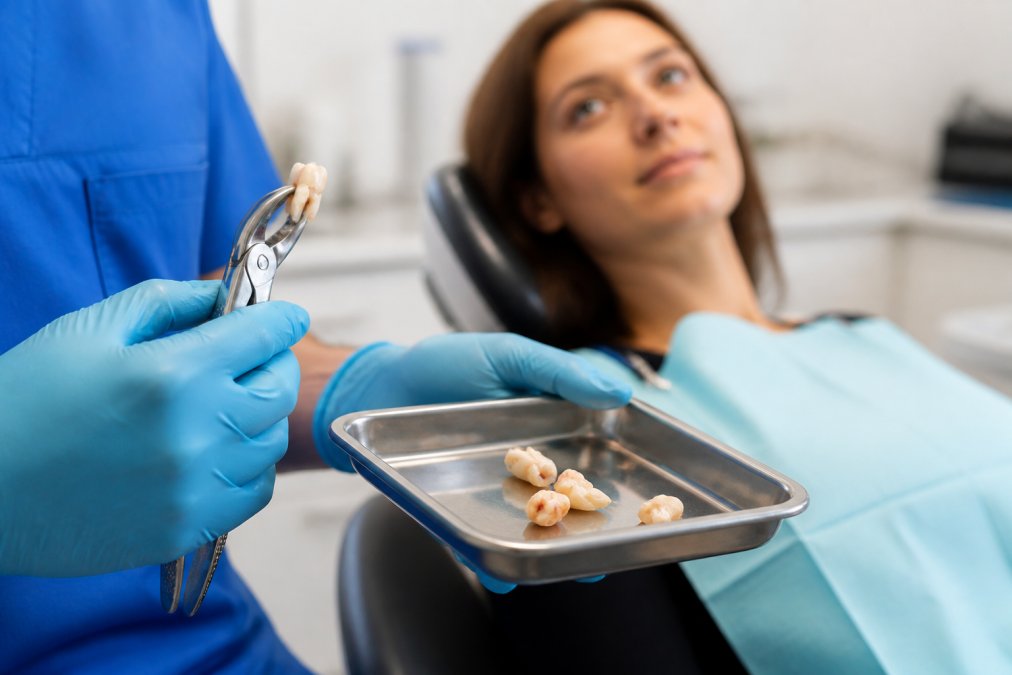
 comparison
Wisdom Teeth Extraction Pricing Toronto 2026
Table of Contents
- What Wisdom Teeth Extraction Actually Costs in Toronto
- Ontario Dental Association Fee Guide 2026: What It Means for Your Bill
- Anesthesia and Sedation Options That Affect Wisdom Teeth Extraction Pricing
- Dental Insurance Coverage for Oral Surgery: What Most Plans Actually Pay
- Hidden Costs Patients Often Miss
- Wisdom Teeth Removal Recovery Time and What It Costs to Heal Well
- Public Clinic vs. Private Practice Pricing: Key Differences
- How to Get an Accurate Quote Before Your Procedure
- Frequently Asked Questions
Last Updated: August 25, 2026
What Wisdom Teeth Extraction Actually Costs in Toronto
Wisdom teeth extraction is one of the most common oral surgery procedures in Canada, yet pricing remains confusing for most patients. Costs vary significantly based on complexity, sedation choice, and practice type. This guide breaks down every factor so you can walk into a consultation prepared.
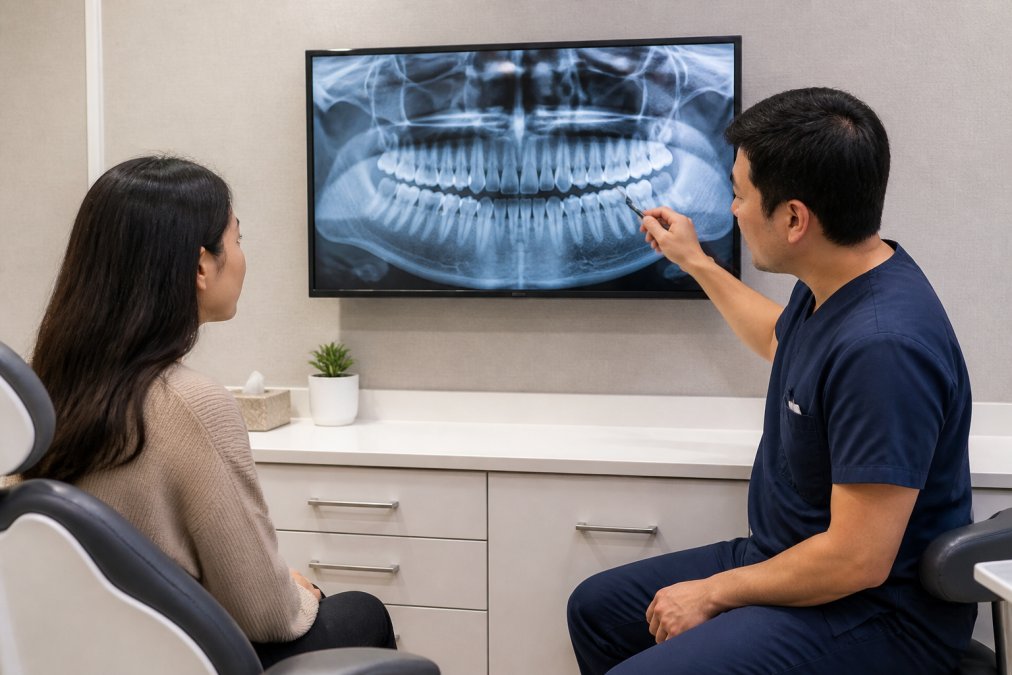
A straightforward simple extraction costs far less than removing a fully impacted wisdom tooth requiring bone removal. Sedation adds another layer of cost on top of the surgical fee. Consultation fees, panoramic x-rays, and post-operative follow-up appointments often surprise patients on the final bill. Understanding that wisdom teeth removal is a family of procedures with meaningfully different complexity levels is the fastest way to estimate your own costs accurately.
Simple vs. Surgical Extraction: The Core Price Difference
Simple extraction applies when a wisdom tooth has fully erupted through the gum line and roots are not curved or fused to bone. The dentist removes it with forceps under local anesthetic.
Surgical extraction is required when the tooth is partially erupted, angled, or embedded in gum tissue. The oral surgeon makes an incision, sometimes removes bone, sections the tooth, and extracts it in pieces. This takes longer and costs more to reflect that complexity.
Getting a panoramic x-ray before the procedure is the only way to know which category you fall into.
Impacted Wisdom Teeth and Why They Cost More
Impacted wisdom teeth cannot fully erupt because they are blocked by adjacent teeth, bone, or soft tissue. Full bony impaction, where the tooth is completely encased in the jawbone, requires the most extensive surgical removal and carries the highest fees.
Procedure complexity drives cost in three ways: surgical time increases significantly with impaction depth, the risk of complications including nerve proximity is higher, and post-operative recovery is longer. According to the Ontario Dental Association's guidance on tooth extractions, the fee for a given procedure is determined by its complexity code, and impacted extractions carry higher codes than simple ones.
Ontario Dental Association Fee Guide 2026: What It Means for Your Bill
The Ontario Dental Association fee guide is a suggested pricing schedule, not a mandatory price list. The 2026 Ontario Dental Association fee guide reflects current procedure codes and suggested fees for general dental services including extractions. Dentists in Ontario are not legally required to follow these fees, but many use them as a baseline.
A practice may bill at the ODA fee guide rate, above it, or below it. When you ask "do you follow the ODA fee guide?", a yes tells you their fees align with a published, transparent standard.
The fee guide breaks extractions into distinct procedure codes corresponding to specific complexity levels, from erupted tooth extraction to complete bony impaction removal. When you receive a treatment plan, each line item should reference a procedure code, allowing you to compare quotes between practices on an apples-to-apples basis. Your dental insurance plan's coverage is also tied to these codes.
| Extraction Type | Complexity Level | Typical Influencing Factors |
|---|---|---|
| Simple erupted extraction | Low | Fully erupted, straight roots, local anesthetic only |
| Soft tissue impaction | Moderate | Covered by gum, minor incision required |
| Partial bony impaction | High | Partially in bone, sectioning often needed |
| Full bony impaction | Highest | Fully encased in bone, specialist often involved |
| All four wisdom teeth | Variable | Complexity per tooth multiplied across four sites |
Anesthesia and Sedation Options That Affect Wisdom Teeth Extraction Pricing
Sedation is where pricing diverges most dramatically between patients. Local anesthetic alone is the baseline. Everything above that adds to the total.
Local anesthetic numbs the surgical site. You remain fully awake but feel no pain.
Nitrous oxide (laughing gas) produces mild relaxation and reduced anxiety. It wears off quickly, allowing patients to drive themselves home.
Oral sedation involves taking a prescribed sedative pill before the procedure. You remain conscious but deeply relaxed, with limited memory of the procedure. A driver is required.
IV sedation delivers sedative medication directly into the bloodstream, producing deeper sedation. Many patients have little to no memory of the procedure. This requires a trained provider and specialized monitoring equipment.
General anesthesia renders the patient fully unconscious. This is typically reserved for complex cases, severe dental anxiety, or hospital-based procedures and is the most expensive option.
Dental Insurance Coverage for Oral Surgery: What Most Plans Actually Pay
Dental insurance coverage for oral surgery varies considerably between plans. Most employer-sponsored dental benefit plans in Canada cover a percentage of extraction fees, but coverage depends on your plan's specific terms, annual maximums, and whether wisdom teeth removal is classified as basic or major restorative care.
Many plans categorize simple extractions as basic dental services, covered at a higher percentage. Surgical extractions may fall under major services, covered at a lower percentage or subject to a waiting period.
How to Read Your Insurance Claim Before the Procedure
Before your procedure, your dentist can submit the treatment plan and procedure codes to your insurer for a predetermination request. The insurer returns an estimate of what they will pay, what you will owe, and whether any portion is denied. This gives you a clear financial picture before committing.
Key things to check on your predetermination response: the procedure codes your insurer approved versus those submitted, the percentage covered per procedure code, your remaining annual maximum, whether sedation fees are covered, and any waiting period that may apply.
Health Spending Accounts and the Canadian Dental Care Plan
A Health Spending Account (HSA) allows eligible Canadians to pay for dental procedures with pre-tax dollars through their employer's benefits program, effectively reducing your after-tax cost.
The Canadian Dental Care Plan (CDCP) is a federal program providing dental coverage to eligible Canadians who meet income and insurance criteria. Patients who qualify for the CDCP may be able to access coverage for medically necessary extractions. Pearly Curve Dentistry accepts CDCP patients and can help guide eligible individuals through the process of understanding their covered benefits before treatment begins.
Hidden Costs Patients Often Miss
The quoted extraction fee is rarely the only cost. Several additional charges appear on final bills that patients did not anticipate.
Panoramic x-ray: Most wisdom teeth consultations require a panoramic x-ray to assess root position, nerve proximity, and impaction depth. If you do not have a recent one on file, this is billed separately.
Consultation fee: The initial assessment appointment carries its own fee in many practices.
Prescription medications: Post-operative prescriptions, including antibiotics and pain medication, are filled at a pharmacy and billed separately.
Follow-up appointments: Most oral surgeons schedule a post-operative check at one week. This visit may be included in the original fee or billed separately.
Bone grafting: In cases where significant bone is removed during extraction, bone grafting may be recommended as a separate procedure with its own fee.
Wisdom Teeth Removal Recovery Time and What It Costs to Heal Well
Wisdom teeth removal recovery time typically runs three to seven days for most patients following routine surgical extraction. Full healing of bone and soft tissue takes several weeks, but most people return to normal daily activity within a week.

Recovery costs are often overlooked. The first 48 hours typically involve soft foods only, and some patients take two to five days off work. Ice packs, over-the-counter pain relievers, and prescription medications all carry costs.
Budget for soft food groceries for three to five days, prescription medications filled on the day of surgery, over-the-counter pain management supplies, any lost income from time away from work, and a follow-up appointment if not included in the surgical fee. Following post-operative instructions carefully, including avoiding smoking, straws, and hard foods, significantly reduces your risk of complications and associated extra costs.
Public Clinic vs. Private Practice Pricing: Key Differences
Public dental clinics, including community health centres and dental school clinics, offer extractions at reduced fees for eligible patients. Wait times are generally longer, and the range of sedation options may be more limited than in a private practice.
According to Health Canada's overview of dental care access, access to affordable dental care remains a priority concern, particularly for uninsured Canadians. Private practices charge fees that reflect their overhead, location, equipment, and practitioner experience. Downtown Toronto locations tend to carry higher overhead than suburban practices. Private practices generally offer more flexible scheduling, a broader range of sedation options, and more immediate access for urgent cases.
How to Get an Accurate Quote Before Your Procedure
Getting an accurate quote requires more than calling and asking "how much does wisdom teeth removal cost?"
Step 1: Book a consultation with a panoramic x-ray. No dentist can give you an accurate quote without seeing the actual position and condition of your teeth.
Step 2: Ask for a written treatment plan with procedure codes. Once the dentist has assessed your x-ray, request a written estimate that lists each procedure code, the associated fee, and the sedation option recommended.
Step 3: Submit a predetermination to your insurer. Send the treatment plan to your dental insurance provider before the procedure.
Step 4: Ask specifically about additional fees. Confirm whether the consultation, x-ray, follow-up appointment, and any anticipated prescriptions are included in the quoted fee or billed separately.
Step 5: Inquire about payment options. Many private practices offer payment plans or accept Health Spending Account payments.
The team at Pearly Curve Dentistry approaches treatment planning with full transparency, walking patients through each line item before any procedure begins. As documented in the Ontario Dental Association's patient resources on understanding dental fees, patients have the right to request a written estimate before any dental procedure.
Navigating wisdom teeth extraction costs is genuinely stressful, especially for patients without comprehensive dental insurance or those who have put off care because of uncertainty about what it will cost. Pearly Curve Dentistry offers a personalized, transparent consultation process, combining modern treatment techniques with expert support to help every patient understand their options and their costs before committing to treatment. Book an appointment with our team to get a clear, written estimate for your specific situation and start your path to better periodontal health with confidence.
Frequently Asked Questions
How much does a wisdom tooth extraction cost in Toronto?
Costs vary based on whether the tooth is fully erupted, partially impacted, or fully impacted in bone. A simple extraction typically runs less than a surgical removal, and fully impacted cases handled by an oral surgeon are the most expensive. Sedation, consultation fees, and follow-up care add to the total. The best way to get an accurate figure is a consultation that includes a panoramic x-ray so your dentist can assess the complexity of your specific case.
Does the Ontario Dental Association fee guide affect what I pay?
The Ontario Dental Association fee guide sets suggested fees that many dental offices use as a pricing reference. Some practices charge at, below, or above the guide rates, they are not legally required to follow it. Your dental insurance plan often reimburses at a percentage of the current ODA fee guide amount, so if your dentist charges more than the guide rate, you may owe the difference out of pocket. Always ask whether your clinic's fees align with the 2026 ODA guide before booking.
What if I can't afford to get my wisdom teeth removed?
Several options exist. Many private dental clinics offer patient financing plans that spread payments over several months. If you qualify for the Canadian Dental Care Plan (CDCP), some or all of the procedure cost may be covered depending on your income and eligibility. Health spending accounts through your employer can also offset out-of-pocket costs. If the tooth is causing an acute infection or severe pain, it may qualify as an emergency extraction, which some community health centres handle at reduced rates.
How long does wisdom teeth removal recovery take?
Most patients feel well enough to return to light activity within three to five days after a straightforward extraction. Surgical removal of impacted wisdom teeth typically requires seven to ten days before discomfort and swelling subside meaningfully. Full healing of the surgical site takes several weeks. Following your dentist's post-operative care instructions, including soft foods, prescribed pain management, and avoiding smoking, directly affects how quickly you recover and reduces the risk of complications like dry socket.
How does private insurance affect out-of-pocket costs for wisdom teeth surgery?
Most employer-sponsored dental benefits plans cover a portion of oral surgery, often between 50% and 80% of the procedure fee up to an annual maximum. Coverage depends on your plan's specific terms, whether the procedure is classified as basic or major restorative, and whether your dentist's fees exceed the ODA guide rate. Submitting a pre-authorization request before the procedure lets you see exactly what your insurer will pay, so you can plan for any remaining balance.