 how-to
How to Prevent Gum Recession from Aggressive Brushing
Table of Contents
- Why Aggressive Brushing Causes Gum Recession
- Signs of Gum Recession You Should Not Ignore
- Proper Tooth Brushing Technique: A Step-by-Step Guide
- Soft Bristle Toothbrush Benefits for Gum Health
- Pressure-Sensing Technology and Electric Toothbrush Options
- Psychological Triggers That Lead to Overbrushing
- When to See a Dentist About Receding Gums
- Frequently Asked Questions
Last Updated: September 29, 2026
Why Aggressive Brushing Causes Gum Recession
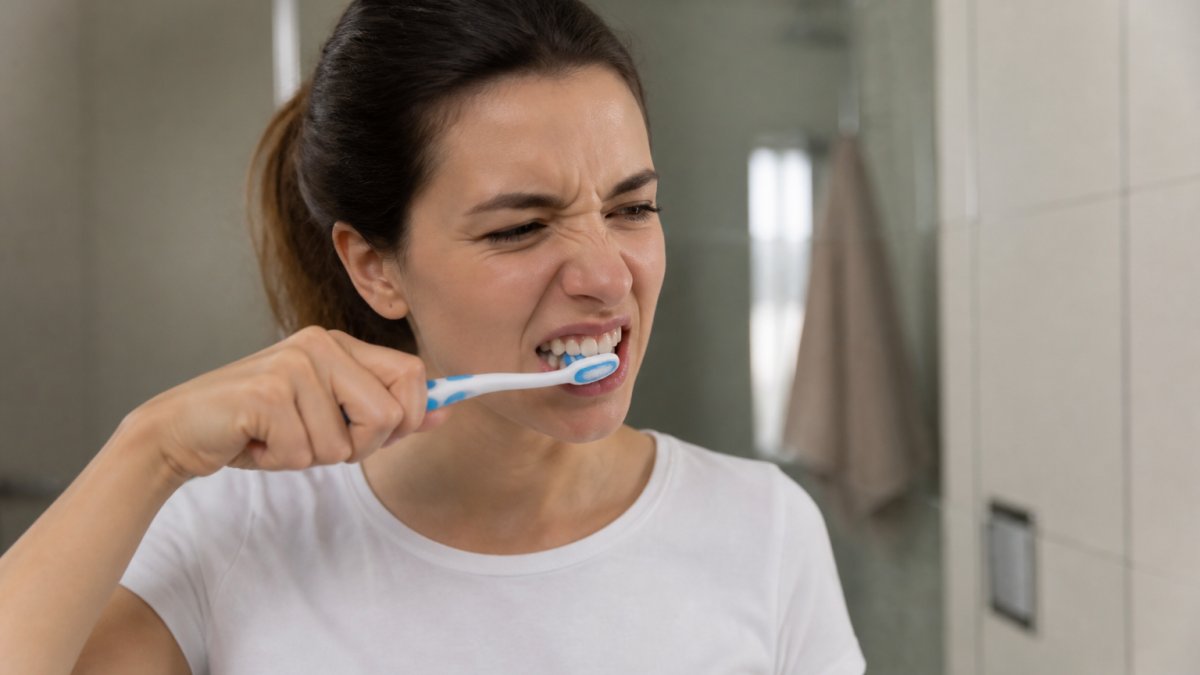
Brushing harder does not clean teeth better. It wears down the gum tissue that protects them, which is why learning to prevent gum recession starts with easing the pressure. Gum recession is the gradual pulling back of gum tissue from the tooth surface, which exposes the tooth root. That exposed root leads to sensitivity, decay, and in serious cases, tooth loss.
Signs of Gum Recession You Should Not Ignore
The early warning signs are easy to miss because they develop slowly. The most common sign is gum sensitivity when eating cold or hot foods. That twinge means root exposure has started.
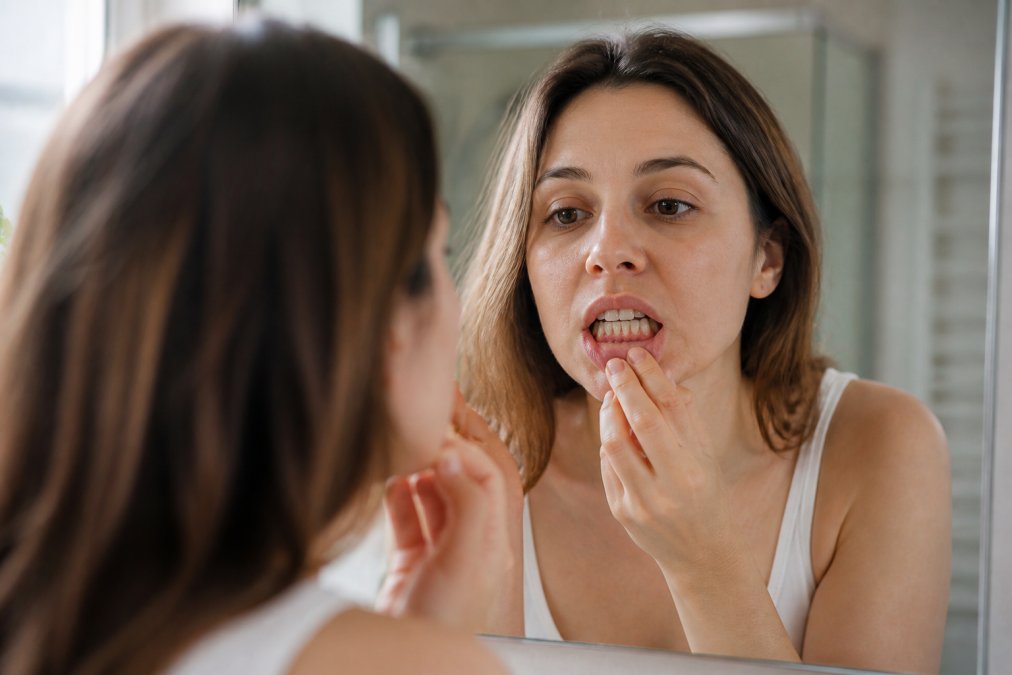
Watch for these signals:
- Teeth look longer than they used to
- A visible notch or groove near the gumline
- Gums that bleed when you brush or floss
- Persistent bad breath or a bad taste
- Loose teeth in later stages
Proper Tooth Brushing Technique: A Step-by-Step Guide
The right proper tooth brushing technique removes plaque without harming tissue. It takes two minutes and a light touch. Here is how to do it correctly, with the specific mechanics that separate gentle brushing from damage.
Step 1: Position the Bristles at the Gumline
Hold your soft-bristled toothbrush at a 45-degree angle to your gums. The bristles should point toward the gumline, half on the tooth and half on the gum. This angle lets the bristles sweep under the gum edge where plaque hides.
Step 2: Use Short, Gentle Circular Motions
Move the brush in small circular motions. Keep the movement tight, about the width of one tooth, roughly 5 to 8 millimeters. Do not scrub back and forth. Do not press down. Let the bristle tips do the work.
Step 3: Cover Every Surface Without Pressing Hard
Work through all surfaces of every tooth:
- Outer surfaces, using the same gentle circles
- Inner surfaces, angling the brush vertically for front teeth
- Chewing surfaces, using a light back-and-forth stroke
- Behind the last molars, where plaque collects most
The pressure you need is about the weight of a fork resting in your hand, roughly 150 grams, or the force of pressing a ripe tomato without breaking the skin. If the bristles splay out flat, you are pressing too hard.
Step 4: Calibrate Your Pressure Before You Start
Most people cannot feel how hard they are pressing because the brush handle hides the force. Try this calibration drill once a week:
- Hold the brush with only your thumb and first two fingers, near the base of the handle.
- Brush one quadrant and watch the bristles in the mirror. If they bend more than about 30 degrees, you are over the safe threshold.
- Switch to your non-dominant hand for one full brushing session. It naturally applies less force and resets your muscle memory.
Step 5: Time Each Quadrant, Not Just the Whole Mouth
Two minutes total is the standard, but the distribution matters. Split the mouth into four quadrants and give each one 30 seconds. Rushing the back molars and over-brushing the front teeth is a frequent pattern that leaves plaque behind while wearing the most visible gums.
Soft Bristle Toothbrush Benefits for Gum Health
Soft bristle toothbrush benefits come down to one thing: they clean without cutting. Firm and medium bristles remove plaque just as well, but they also scrape gum tissue and wear enamel at the gumline. Soft bristles flex against the gum instead of digging into it.
Other things to know:
- Replace your brush every three to four months, or sooner if bristles fray (Cleaning Children's Teeth)
- A frayed brush presses unevenly and can scratch tissue
- Electric toothbrush heads should also be soft
- Size matters: a small head reaches back teeth without forcing
Pressure-Sensing Technology and Electric Toothbrush Options
A pressure sensor is the single most useful feature for anyone who brushes too hard. It alerts you the moment you press beyond a safe level, usually with a light, a beep, or a pause in vibration. This is the kind of feedback a manual brush simply cannot give.
How Pressure Sensors Actually Work
Most electric toothbrush pressure sensors use one of two mechanisms:
- Strain-based sensing. A small sensor in the brush handle detects how much the neck flexes under load. When the flex exceeds a set threshold, typically around 150 to 300 grams of force depending on the model, the brush triggers an alert.
- Motor-current sensing. The brush monitors how much current the motor draws. Pressing harder increases resistance, which spikes the current, and the firmware interprets that as too much pressure.
What the Different Alerts Mean
Not all pressure feedback is the same, and the type of alert changes how you should respond:
- Light ring or LED glow. A visual cue, useful if you brush with your eyes open. It is the least disruptive but easiest to ignore.
- Beep or tone. An audible alert that works even if you are looking away. Some people find it startling enough to break the habit quickly.
- Vibration change or pause. The brush slows or stops oscillating. This is the most effective because it removes the cleaning action entirely until you ease off, you cannot keep scrubbing through it.
- App notification. Some models log pressure events and show you a weekly report. This is the best option if you want to track whether the habit is actually improving.
Using the Feedback to Retrain the Habit
A sensor only helps if you act on it. A practical approach:
- Brush normally for one session and count the alerts. Most hard brushers get 5 to 10 alerts in the first two minutes. That number is your baseline.
- Aim to cut the count in half within two weeks. Do not try to eliminate alerts immediately, the goal is gradual retraining, not white-knuckling the brush.
- Check the pressure report weekly if your brush has an app. A downward trend in pressure events is the clearest sign your technique is changing.
- Keep the sensor on even after the habit improves. Old brushing habits return during stress, travel, or rushed mornings, and the sensor catches the relapse.
Matching the Feature to Your Habit
| Feature | What It Does | Who It Helps Most |
|---|---|---|
| Pressure sensor (visual) | Lights up when you press too hard | Brushers who watch the mirror |
| Pressure sensor (audible) | Beeps when force exceeds threshold | Brushers who look away |
| Pressure sensor (motor pause) | Stops oscillation until you ease off | Habitual hard brushers who ignore cues |
| Timer | Signals the two-minute mark | People who rush |
| Quad-pacer | Prompts you to move every 30 seconds | Uneven brushers |
| Soft brush head | Flexes against gums | Anyone with recession |
| App pressure log | Tracks pressure events over time | People retraining a long-standing habit |
The technology does not replace technique. It supports it. If you tend to scrub, a sensor gives you real-time feedback that a mirror never will, and unlike a mirror, it tells you when the force is too high, not just where the brush is.
Psychological Triggers That Lead to Overbrushing
Overbrushing is rarely a conscious choice. Most people who do it believe they are being thorough. The behavior usually traces back to one of a few triggers.
- The "clean" feeling trap. A squeaky-clean sensation feels like proof of a good job. That feeling comes from abrasion, not cleanliness.
- Anxiety about bad breath or cavities. Worry drives people to scrub harder, which damages gums and can make breath worse.
- Rushing. Brushing fast often means brushing hard. Speed and force go together.
- Copying a parent or partner. Brushing habits are learned young and rarely questioned.
When to See a Dentist About Receding Gums
Book an appointment if you notice any of the following:
- Teeth that look visibly longer
- Gum sensitivity that does not fade
- Bleeding gums that continue after a week of gentler brushing
- A notch or groove near the gumline
- Loose teeth or a change in how your bite feels
Canadian Dental Association oral health resources
Frequently Asked Questions
Can you reverse gum recession from aggressive brushing?
Gum recession cannot be reversed on its own because gum tissue does not grow back once it recedes. However, you can stop it from getting worse by switching to a soft-bristled toothbrush, using gentle circular motions, and avoiding hard scrubbing. If the recession is advanced, a dental professional may recommend treatments such as gum grafting or scaling to protect exposed roots. Early action matters most, so book a checkup if you notice your gums pulling back.
How can I tell if I am brushing my teeth too hard?
Common signs include a toothbrush with flattened or splayed bristles after only a few weeks, gum sensitivity, bleeding while brushing, and a receding gumline. Another clue is a toothbrush that wears out much faster than the three-month replacement window. If you press so hard that the bristles bend against your teeth, you are brushing too hard. Switching to a soft-bristled toothbrush and using light pressure can help prevent further damage.
What type of toothbrush is best for preventing gum recession?
A soft-bristled toothbrush is the best choice for protecting your gums. Soft bristles clean plaque effectively without abrading gum tissue or enamel. Some electric toothbrushes include pressure sensors that alert you when you press too hard, which helps build gentler habits. Whatever brush you choose, use short, circular strokes and let the bristles do the work rather than applying force. Replace your brush every three months or sooner if bristles look worn.
Does gum recession lead to tooth loss if left untreated?
Yes, untreated gum recession can eventually lead to tooth loss. When gums pull back, the tooth roots become exposed, making them vulnerable to decay and sensitivity. Over time, the supporting bone and tissue can deteriorate, which may cause teeth to loosen. Conditions like periodontitis, a severe form of gum disease, speed up this process. Regular dental checkups and good oral hygiene, including gentle brushing and flossing, help protect against progression.