 comparison
Park Dental Centre vs Pearly Curve: 2026 Comparison
Table of Contents
- Park Dental Centre vs Pearly Curve: A Side-by-Side Comparison
- Technology and Equipment Audit: What Each Clinic Uses
- Services Offered: General Dentistry, Restorative Procedures, and Implants
- What to Expect at a Dental Consultation at Each Clinic
- Patient Experience: Comfort, Environment, and Managing Dental Anxiety
- Post-Procedure Recovery and Aftercare Support
- Costs, Insurance, and the Dental Fee Guide Ontario
- How to Choose a Family Dentist: A Decision Framework
- Frequently Asked Questions
Last Updated: October 2, 2026
Park Dental Centre vs Pearly Curve: A Side-by-Side Comparison
Choosing between Park Dental Centre and Pearly Curve comes down to one question: do you want a clinic that treats dentistry as a series of transactions, or one built around a lasting patient relationship? Park Dental Centre is a general dentistry practice serving families with everyday needs, while Pearly Curve Dentistry focuses on personalized, comfortable care from routine checkups to cosmetic and restorative work.
We compare both on equipment, treatment range, consultation style, and aftercare.
Quick Comparison Table
| Factor | Park Dental Centre | Pearly Curve Dentistry |
|---|---|---|
| Focus | General family dentistry | Modern general, cosmetic, and restorative care |
| Technology | Standard radiography and equipment | Advanced treatment techniques and modern facility |
| Environment | Traditional clinical setting | Comfortable, welcoming, patient-focused setting |
| Consultation style | Routine exam and treatment planning | Personalized oral health care programs |
| Insurance and CDCP | Accepted at most general clinics | CDCP patients welcome; direct billing where available |
| Best for | Families wanting a conventional general dentist | Families and individuals wanting a personalized, comfort-first experience |
The rest of this guide explains what each row means in practice, because "modern equipment" and "comfortable care" are phrases every clinic uses.
Technology and Equipment Audit: What Each Clinic Uses
The core technology categories that matter
- Radiography: Traditional film X-rays versus digital radiography versus 3D cone-beam imaging. Digital radiography uses a fraction of the radiation dose of film and produces an image within seconds. 3D imaging matters most for implant planning, impacted wisdom teeth, and complex root canal anatomy.
- Intraoral cameras: A handheld camera that projects a live image of your tooth onto a monitor, so you see the fracture or decay yourself.
- Digital impressions: Intraoral scanners replace tray-and-putty impressions for crowns, bridges, and aligners, faster, less gag-inducing, and the file goes to the lab electronically.
- Laser dentistry: Soft-tissue lasers handle gum contouring and some periodontal treatment, often with less bleeding and faster healing than a scalpel. Ask which treatments the laser is actually used for.
- Chairside CAD/CAM: Some practices mill same-day crowns in-house, one appointment instead of two, at the cost of a shorter try-in period.
- Sterilization and air handling: Look for visible instrument pouches, autoclave logs, and HEPA or medical-grade air filtration. Least glamorous, most worth asking about directly.
How to read each clinic against that list
Park Dental Centre operates as a conventional general practice: standard radiography, a traditional operatory setup, and the equipment found in most family clinics.
Pearly Curve Dentistry positions itself around a modern facility and advanced treatment techniques.
The five questions that expose the real answer
- "Do you use digital X-rays or 3D imaging, and for which treatments?"
- "Will I see intraoral camera images during my exam?"
- "Are impressions digital, or do you use trays?"
- "What's your sterilization protocol, and can I see it?"
- "Is any of this an extra charge, or included in the exam?"
That last question matters more than patients expect. Some clinics bundle imaging into the exam fee; others bill it separately.
What to do with the answers
If your needs are routine, cleanings, fillings, the occasional crown, standard equipment is no disadvantage.
Services Offered: General Dentistry, Restorative Procedures, and Implants
Both clinics cover core general dentistry: checkups, cleanings, fillings, and preventive care. They differ in the depth of restorative and cosmetic work.
Park Dental Centre centers on general and family dentistry: routine oral examinations, hygiene appointments, and standard restorative procedures like fillings and crowns.
Pearly Curve Dentistry offers comprehensive, modern dental care designed to help every patient achieve a healthier, more radiant smile. Our practice combines advanced treatment techniques with expert support, ensuring a comfortable and personalized experience for all who walk through our doors. We are dedicated to your long-term oral health, providing trustworthy and supportive care that makes us stand out in the community.
For families, the distinction is this: routine needs, either clinic can handle. If you want cosmetic work, implants, or a restorative plan under one roof with a consistent team, a wider scope can be beneficial.
What to Expect at a Dental Consultation at Each Clinic
A dental consultation is your first real chance to judge whether a clinic fits.
At Pearly Curve Dentistry, the consultation is built around a personalized oral health care program: more time understanding your history, concerns, and goals before any treatment is recommended.
A good consultation should include, regardless of clinic:
- A full oral examination, not just a glance at the problem tooth
- Clear imaging you can see and understand
- A written treatment plan with options, not a single take-it-or-leave-it quote
- Time for your questions, including cost and insurance
If a clinic skips any of these, that's a signal. The consultation is where trust is built or broken.
Patient Experience: Comfort, Environment, and Managing Dental Anxiety
Dental anxiety keeps a lot of people out of the chair, and the environment is a big part of that. Park Dental Centre offers a traditional clinical setting.
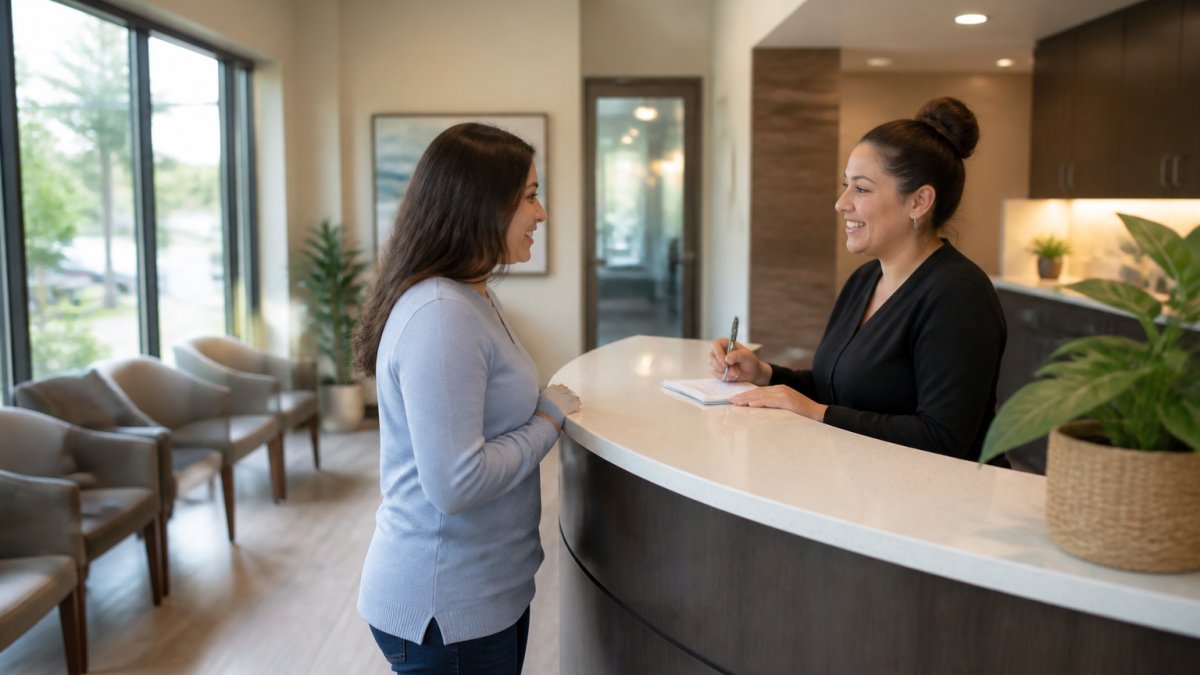
Pearly Curve Dentistry was built around a comfortable, welcoming environment, pairing modern treatment techniques with a patient-focused approach.
What actually reduces anxiety in practice:
- A team that explains each step before it happens
- The ability to pause a procedure when you need to
- A space that doesn't feel like a hospital
- Staff who don't lecture you about your oral hygiene habits
If anxiety has kept you away, tell the clinic upfront. A good practice adjusts; one that brushes off your concerns isn't the right fit, no matter how modern the equipment.
Post-Procedure Recovery and Aftercare Support
Aftercare is the part most comparisons ignore, and where clinics quietly separate themselves. Both Park Dental Centre and Pearly Curve Dentistry provide standard post-procedure instructions.
What recovery actually looks like, by procedure
- Routine cleaning and exam: No real downtime. Gum tenderness for a day or two is normal, especially after a long gap between cleanings, as is sensitivity after a deep cleaning.
- Fillings: Numbness wears off within hours. Mild sensitivity to cold or pressure for a few days is typical, especially with composite fillings. A bite that feels "off" once numbness fades is worth a call, a high filling is easy to adjust.
- Crowns and bridges: Temporary crowns can feel bulky or loose; avoid sticky foods until the permanent crown is seated. Mild sensitivity for a week or two is normal. Persistent pain when biting usually means the bite needs adjusting.
- Extractions (simple): Expect bleeding for a few hours, swelling peaking around 48 hours, and a soft-food diet for several days. Avoid straws, smoking, and vigorous rinsing for 24 hours, the most common causes of a dislodged clot.
- Extractions (surgical or wisdom teeth): Swelling and jaw stiffness can last a week or more. Ice for 24 hours, then moist heat. Most clinics schedule a follow-up; don't skip it.
- Root canals: Tenderness for a few days is normal, especially if infection was present beforehand. A temporary filling may feel rough against your tongue. A crown is usually needed afterward.
- Implants: The implant sits under the gum, so visible recovery is usually mild, swelling and tenderness for a few days. The longer timeline is osseointegration, the months-long fusion with the bone. Follow soft-food guidance during that window.
Normal versus call-the-clinic
Most post-procedure symptoms follow a predictable arc: they peak in the first 48 to 72 hours, then improve. Watch for anything that breaks that arc.
- Normal: Mild swelling, tenderness, sensitivity, minor bleeding that stops with pressure, a dull ache that fades day by day.
- Call the clinic: Pain that gets worse instead of better after day three, swelling that increases rather than decreases, bleeding that won't stop with gauze and pressure, a fever, a bad taste or odor from the extraction site, or a crown or filling that comes loose.
If you're unsure which category you're in, call.
How to judge aftercare access before you commit
Ask these questions at the consultation, not after a procedure:
- "If something goes wrong on a Saturday night, who do I call?"
- "Is there an after-hours line, or do I go to an emergency room?"
- "Do you schedule a follow-up after extractions and root canals, or only if I call?"
- "Are post-op instructions written for my specific procedure, or a general sheet?"
- "If a crown needs adjusting in the first month, is that visit free?"
That last one is worth asking explicitly.
The unique angle: aftercare as a relationship test
A clinic's aftercare is only as good as its accessibility.
Costs, Insurance, and the Dental Fee Guide Ontario
Cost is where most patients get surprised, so here's the honest version. In Ontario, the Ontario Dental Association's fee guide is published annually as a reference for what procedures typically cost. It's a guide, not a rule: individual clinics set their own fees, and what you actually pay depends on your treatment plan and your coverage.
Neither clinic publishes fixed pricing. Ask instead:
- Whether the clinic follows the dental fee guide Ontario publishes
- Whether they bill insurance directly or expect payment upfront
- How they handle CDCP patients and out-of-pocket costs
- Whether financing exists for larger restorative work
Without insurance, ask for a written estimate before treatment begins. A clinic that won't provide one is a red flag.
| Cost Factor | What to Ask |
|---|---|
| Fee guide | Do you follow the Ontario dental fee guide? |
| Insurance | Do you bill directly, or do I pay upfront? |
| CDCP | Are you set up to see CDCP patients? |
| No insurance | Can I get a written estimate first? |
| Large work | Do you offer payment plans? |
How to Choose a Family Dentist: A Decision Framework
Choosing a family dentist means matching the clinic's strengths to your household's actual needs. Use this framework for Park Dental Centre, Pearly Curve Dentistry, or any other practice.
- Scope: Does the clinic handle everyone in your family, from kids to adults?
- Services: Can it cover general, restorative, and cosmetic needs in one place?
- Comfort: Does the environment work for anxious family members?
- Cost clarity: Will it give you a written estimate and bill insurance directly?
- Access: How quickly can you get an appointment, including for emergencies?
- Aftercare: How do you reach the clinic if something goes wrong after hours?
If your priority is a conventional, general-dentistry relationship, Park Dental Centre fits that mold. If you want a personalized, comfort-first experience with a wider treatment range and modern techniques, Pearly Curve Dentistry is built for exactly that.
Finding a dental clinic your whole family trusts shouldn't feel like a gamble, and it shouldn't mean settling for rushed appointments or surprise bills. At Pearly Curve Dentistry, we've built our practice around modern treatment techniques, personalized oral health care programs, and a comfortable, welcoming environment designed to put anxious patients at ease. If you're weighing your options for a family dentist, book a consultation with Pearly Curve Dentistry.
Frequently Asked Questions
What should I look for when comparing dental clinics?
Look for licensed dentists, clear treatment planning, transparent pricing, and whether the clinic follows the dental fee guide Ontario. Check if they offer the services you need, from general dentistry to restorative procedures. Also consider appointment availability, emergency services, and whether the environment helps you feel at ease. Reading patient reviews and verifying credentials with the Royal College of Dental Surgeons of Ontario can help you make an informed choice.
Are dental fees regulated by the Royal College of Dental Surgeons of Ontario?
The Royal College of Dental Surgeons of Ontario regulates dentists and sets standards for practice, but it does not set fees. The Ontario Dental Association publishes a suggested fee guide that dentists may reference. Each clinic sets its own prices, which can vary. For major work like implants or cosmetic procedures, ask for a written treatment plan and cost estimate before committing. If you have dental insurance or CDCP coverage, confirm what is included.
How do I verify if a dentist is licensed in Ontario?
You can check a dentist's registration status through the Royal College of Dental Surgeons of Ontario's public register. This database shows whether a dentist is licensed and in good standing. It also lists any disciplinary actions. Before booking at any clinic, including Park Dental Centre or Pearly Curve, verify that the treating dentist is registered. This step helps you avoid unlicensed providers and ensures you receive care that meets provincial standards.
What is the difference between general dentistry and specialized care?
General dentists handle check-ups, cleanings, fillings, and preventative dentistry for all ages. They also perform common restorative procedures like crowns and bridges. Specialists, such as orthodontists or periodontists, have additional training in specific areas and usually require a referral. Most families start with a general dentist who can manage routine oral health and coordinate with specialists if needed. Both Park Dental Centre and Pearly Curve provide general dentistry services.
How can I check patient reviews for dental clinics?
Patient reviews appear on Google, Yelp, and the clinics' own websites. Look for consistent feedback about service quality, professionalism, and how staff handle anxiety or billing questions. Pay attention to how clinics respond to negative reviews, as this shows their approach to patient satisfaction. For a balanced view, read reviews across multiple platforms. You can also ask your family and friends for recommendations based on their own dental care experiences.