 how-to
Maintaining Dental Hygiene with ADHD: A Practical Guide
Table of Contents
- Why ADHD Makes Dental Hygiene Difficult
- What You'll Need to Build a Routine That Works
- Step 1: How to Make Brushing Teeth Less Boring
- Step 2: Use Visual Cues and Habit Stacking
- Step 3: Understanding Sensory Friendly Dental Care
- Step 4: Managing Dry Mouth and Medication Side Effects
- Step 5: Preparing for Your Dental Check-Up
- Common Mistakes to Avoid
- Frequently Asked Questions
Last Updated: September 8, 2026
Why ADHD Makes Dental Hygiene Difficult
Maintaining dental hygiene with ADHD is uniquely challenging because the condition directly affects the brain systems responsible for initiating and completing routine tasks. The connection is not about laziness; it is rooted in how ADHD impacts executive functioning.
Executive dysfunction is the core mechanism (nimh.nih.gov). The brain's ability to plan, prioritize, and follow through on multi-step tasks is compromised, turning a simple habit like brushing into a significant cognitive hurdle. For many, the sequence of picking up the toothbrush, applying paste, brushing for two minutes, and rinsing feels less like a single action and more like a project with several distinct, easily forgotten steps.
Executive dysfunction is the difficulty in managing the mental skills required to plan, focus attention, remember instructions, and juggle multiple tasks successfully.
This is why brushing teeth feels disproportionately heavy. It is a low-reward task with no immediate payoff, making it difficult for the ADHD brain to prioritize over more stimulating activities. The shame that builds from missed routines often compounds the problem, creating a cycle of avoidance.
What You'll Need to Build a Routine That Works
Before diving into strategies, gather tools that reduce friction rather than add to it. The goal is to create a system requiring the least possible cognitive effort.
Consider these essentials:
- An electric toothbrush with a built-in timer: Handles the two-minute countdown and provides more sensory feedback than a manual brush.
- A toothpaste flavor you genuinely enjoy: Many find strong mint flavors overwhelming. Children's or mild flavors can make the experience more pleasant.
- Floss picks or interdental brushes: Easier to grip and use quickly than traditional string floss.
- A visible, open storage solution: Keeping your brush and paste on the counter serves as a constant visual reminder.
- A phone stand or waterproof speaker: Lets you watch a short video or listen to a podcast during brushing, adding stimulation.
The central principle is to make the setup as easy as possible. If you have to search for your tools, you are less likely to use them. Sensory friendly dental care starts at home with products that feel comfortable in your hands and mouth.
Step 1: How to Make Brushing Teeth Less Boring
The most effective way to overcome the monotony of brushing is to pair it with a source of stimulation. This technique, known as habit stacking, connects a new habit to an existing source of dopamine.
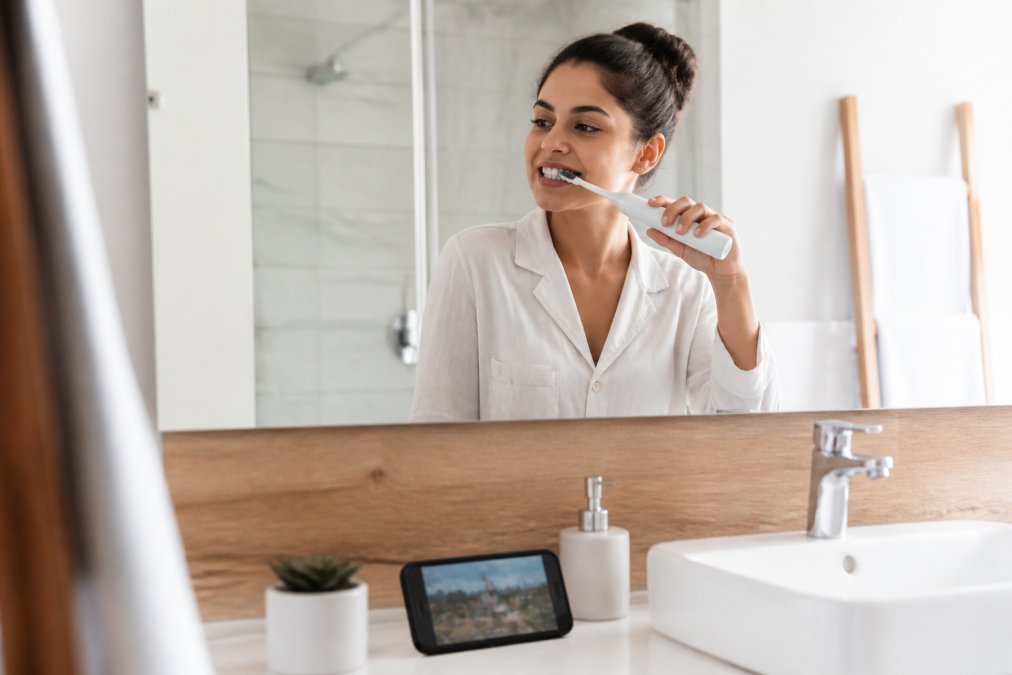
Instead of focusing on the brushing itself, shift your attention to the entertainment. Watch a short video, listen to a favorite song, or play a two-minute game on your phone. The visual and auditory input provides the stimulation your brain craves, making the two minutes pass quickly and turning the task from a chore into a moment of downtime.
Keep a dedicated playlist or list of "brushing videos" saved so you don't waste time searching each night. A common mistake is trying to brush in silence, which makes the task feel longer and more tedious. By actively pairing the habit with something enjoyable, you rewire the experience to be less aversive.
Step 2: Use Visual Cues and Habit Stacking
Visual cues are powerful triggers for the ADHD brain. Out of sight often means out of mind, so placing your dental care tools where you cannot miss them is a simple behavioral strategy that works.
Place your toothbrush next to your phone charger or on your pillow when you wake up. If you drink coffee in the morning, keep your floss picks on the coffee maker or beside your mug. The goal is to attach the new behavior to an already established routine. For example, if you always let your dog out first thing, brush your teeth immediately after you close the door.
Consistency matters more than timing. Whether you brush in the morning, before bed, or after lunch, the routine trigger must be reliable. For children with ADHD, a colorful chart with stickers placed on the bathroom mirror can provide a visual sense of accomplishment. This approach reduces reliance on working memory and shifts the responsibility to the environment.
Step 3: Understanding Sensory Friendly Dental Care
Sensory processing differences are common in the neurodivergent community, and the textures, tastes, and sounds associated with oral care can cause significant discomfort. This sensory overload can be a major barrier to consistent hygiene. Most generic advice stops at "try a softer brush," but the real solution lies in understanding the specific sensory dimensions at play and choosing tools that match your unique profile.
The Three Sensory Dimensions of Brushing
1. Tactile (Touch): The feeling of bristles on gums, the vibration of a motor, and the texture of the handle all matter. Many people with ADHD also have sensory processing sensitivity, meaning their nervous system amplifies these inputs.
- Bristle firmness: Standard brushes are often labeled "medium," which can feel abrasive. Look for "soft" or "extra-soft" bristles. Brands like Curaprox are known for their ultra-soft 5460 bristles, which have a noticeably different, almost velvety feel compared to standard nylon.
- Handle grip: A slippery, thin plastic handle requires more grip strength and attention. Consider a brush with a thick, rubberized handle (like those from Radius or certain Oral-B models) that provides more tactile feedback and is easier to hold securely.
- Vibration intensity: Electric toothbrushes vary widely. Sonic brushes (like Philips Sonicare) vibrate at high frequencies (around 31,000 brush strokes per minute) and produce a distinct buzzing sensation (the American Dental Association). Rotating-oscillating brushes (like Oral-B) have a lower-frequency, more mechanical churn. Some people find one deeply uncomfortable and the other perfectly fine. If you are unsure, try a manual brush with a thick handle first, then test a friend's electric model before purchasing.
2. Gustatory & Olfactory (Taste & Smell): The flavor and foaming action of toothpaste are common triggers.
- Flavor: Mint is the default, but it can be intensely burning or cooling. Many brands now offer alternatives: Boka has spearmint and lemon-lime flavors; Risewell offers a mild wintergreen; and children's brands like Tom's of Maine Silly Strawberry or Orajel have sweet, mild flavors that many adults prefer. The key is to find a flavor you do not actively dislike, as aversion will make the task harder to initiate.
- Foaming (SLS): Sodium lauryl sulfate (SLS) is the ingredient that creates the foamy lather (PubMed). For some, this sensation feels like choking or triggers a gag reflex. SLS-free toothpastes (like Sensodyne Pronamel, Boka, or Hello SLS-free varieties) produce minimal foam and have a smoother, less invasive mouthfeel.
- Texture: Some toothpastes are gritty (whitening formulas) or have a thick, pasty consistency. Gel toothpastes are often thinner and slicker. If texture is an issue, try a gel formula or a toothpaste tablet (like Bite or Unpaste), which you chew into a paste, this changes the entire application experience and eliminates the squeeze-tube step.
3. Auditory (Sound): The high-pitched whine of an electric toothbrush can be jarring, especially in a quiet bathroom.
- Noise levels: Sonic brushes tend to produce a higher-pitched hum, while rotating brushes are often lower and more rumbling. If the sound is a trigger, consider a manual brush, or use noise-canceling headphones or a white-noise machine in the bathroom to mask the sound.
- The "two-minute" problem: Most electric brushes have a 30-second interval timer that beeps or pauses. This can be helpful for pacing, but the sudden stop can be startling. If that is an issue, use a separate visual timer (like a sand timer or a phone app) and turn off the brush's interval beeps if possible.
A Practical Sensory Audit
Before buying new products, do a quick sensory audit. Rate each of these on a scale of 1-5 (1 = fine, 5 = unbearable):
- The feeling of bristles on your gums
- The vibration of an electric motor
- The taste of mint
- The foaming action of toothpaste
- The sound of the brush motor
This audit helps you identify which dimension is the actual barrier. If the taste is a 5 but the vibration is a 2, you only need to switch toothpaste, not the entire brush. This targeted approach prevents you from buying a whole new kit when a single change would solve the problem.
This extends to the dental office environment. Bright lights, loud instruments, and unfamiliar tastes can heighten anxiety. Communicating your sensory needs to your dental team in advance allows them to adjust the environment where possible. Many practices are now better equipped to offer neurodivergent-friendly accommodations, such as explaining each step before starting or allowing you to wear sunglasses during treatment.
Step 4: Managing Dry Mouth and Medication Side Effects
Many common stimulant medications used to treat ADHD list xerostomia, or chronic dry mouth, as a side effect. This is more than just an uncomfortable feeling; it significantly increases the risk of plaque accumulation and cavities because saliva is the mouth's primary defense against acid. Most articles on ADHD and oral hygiene stop at behavioral tips, but the physiological side effects of medication are often the hidden driver of decay.
The Mechanism: Why Stimulants Dry Your Mouth
Stimulant medications (like methylphenidate and amphetamine-based drugs) work by increasing the activity of the sympathetic nervous system, the "fight or flight" response. This activation reduces blood flow to the salivary glands and signals them to produce less saliva. The result is a persistent feeling of dryness, often peaking 1-2 hours after taking the medication and lasting throughout the day.
Saliva is not just water; it is a complex solution containing:
- Bicarbonate and phosphate buffers that neutralize the acids produced by bacteria after you eat.
- Calcium and phosphate ions that help remineralize (rebuild) early enamel damage.
- Antimicrobial proteins (like lysozyme and lactoferrin) that keep bacterial populations in check.
When saliva flow drops, the mouth becomes more acidic. A normal resting saliva pH is around 6.5-7.0 (neutral). With xerostomia, the pH can drop below 5.5, which is the critical threshold where enamel begins to dissolve. This acidic environment favors the growth of cavity-causing bacteria (like Streptococcus mutans) and makes it much harder for the mouth to repair itself naturally.
The Clinical Consequences: What Dentists See
A common pattern dentists observe in patients taking stimulant medications is cavities along the gumline and on the roots of the teeth, rather than on the chewing surfaces. This is because reduced saliva flow leaves the areas near the gums vulnerable to plaque buildup. Additionally, many ADHD medications suppress appetite, leading to cravings for sugary, high-carbohydrate snacks (often in the afternoon when the medication wears off and blood sugar drops). This combination, a dry mouth plus a sugary diet, creates a perfect storm for rapid decay.
A Multi-Layered Management Strategy
Managing dry mouth requires a proactive, multi-layered approach, not just sipping water occasionally.
1. Hydration with Electrolytes: Plain water is good, but it does not replace the buffering capacity of saliva. Consider adding an electrolyte tablet (like Nuun or Hydralyte) to your water once or twice a day. The minerals help maintain a more neutral pH in the mouth.
2. Stimulate Saliva Flow: Chewing sugar-free gum is the most effective way to mechanically stimulate saliva production. Look for gum sweetened with xylitol, a natural sugar alcohol that has been shown to inhibit the growth of Streptococcus mutans. Brands like Pur or Ice Cubes are widely available. Aim for 5-10 minutes of chewing after meals or snacks.
3. Use a Dry Mouth-Specific Rinse: Standard mouthwashes often contain alcohol, which worsens dryness. Use a rinse specifically formulated for xerostomia, such as Biotene or TheraBreath Dry Mouth. These contain moisturizing agents (like glycerin and xylitol) that provide longer-lasting relief than water. Use them before bed, as dry mouth often worsens overnight.
4. Consider a Prescription-Strength Option: If over-the-counter products are not enough, talk to your dentist or doctor about prescription saliva substitutes. These include products containing carboxymethylcellulose or mucin that more closely mimic natural saliva. Your dentist may also recommend a high-fluoride toothpaste (like Prevident 5000) to strengthen enamel against the increased acid attack.
5. Time Your Brushing Around Medication: If you take your medication in the morning, brush your teeth before taking it, not after. This ensures you are brushing with a normal saliva flow and removes overnight plaque before the mouth becomes dry. If you take a second dose midday, consider brushing or at least rinsing with water after lunch.
6. Watch Your Snacking: The appetite suppression from stimulants often leads to a "rebound hunger" in the evening, with cravings for simple carbohydrates. If you snack, choose options that are less acidic and less sticky: cheese, nuts, or crunchy vegetables. Avoid sugary drinks and sticky candies, which cling to teeth and feed bacteria for extended periods.
Carry a water bottle and sip frequently throughout the day. Chewing sugar-free gum can stimulate saliva flow, and using a moisturizing mouth rinse designed for dry mouth can provide relief. It is also worth mentioning your medication to your dentist during check-ups so they can monitor for early signs of enamel erosion. This proactive approach helps manage a side effect that many patients do not connect to their oral health outcomes.
Step 5: Preparing for Your Dental Check-Up
Dental anxiety is common, and for those with ADHD, the fear of judgment about their oral hygiene can compound that anxiety. Many patients avoid appointments because they feel dental shame about the state of their teeth.
The first step is finding a practice that prioritizes comfortable care and open communication. Before your appointment, call and explain that you have ADHD and may need extra time or clear explanations. A supportive team will not judge your routine; their role is to help you improve your oral health, not to scold you for past struggles.
Being honest with your dentist allows them to tailor your care. They can offer specific advice on brushing technique, recommend higher-fluoride products to protect enamel, and provide more frequent recall visits if needed. Regular dental check-ups are a partnership in preventive care, not a test you can fail. It is always easier to address a small issue early than to wait until it becomes a complex procedure.
Common Mistakes to Avoid
Many people attempt to overhaul their entire routine at once, which leads to burnout and frustration. A more effective approach is to focus on one small change at a time.
- Waiting for motivation to strike: Motivation is unreliable. Rely on the visual cues and habit stacking strategies instead of willpower.
- Choosing the wrong tools: If you dread using your toothbrush, buy a different one. The best tool is the one you will actually use.
- Being too hard on yourself: Missing a brushing session is not a failure. Acknowledge it, brush when you can, and move on without spiraling into shame.
- Skipping the floss entirely: If traditional flossing is a hurdle, use interdental tools that are quicker and easier to handle.
- Ignoring dry mouth symptoms: If your mouth feels parched, do not wait until your next check-up to address it. Implement hydration strategies immediately.
| Common Mistake | Better Approach | Why It Works |
|---|---|---|
| Relying on willpower | Use visual cues and reminders | Removes the need for working memory |
| Using an uncomfortable brush | Try sensory-friendly alternatives | Reduces aversion and sensory overload |
| Skipping floss | Use floss picks or interdental brushes | Lowers the effort barrier for daily use |
| Avoiding the dentist out of shame | Communicate your needs openly | Shifts focus to preventive care and support |
| Ignoring medication side effects | Stay hydrated and mention it to your dentist | Protects against dry mouth and decay |
Maintaining dental hygiene with ADHD requires a system designed around your brain, not against it. The strategies above focus on reducing friction, adding stimulation, and building routines that rely on environmental triggers rather than memory. Maintaining dental hygiene with ADHD is achievable with the right support and tools. Our team focuses on providing comfortable, personalized care in a judgment-free environment, combining modern treatments with the expert support you need for a healthier smile.
Frequently Asked Questions
Why is it difficult to maintain a dental routine with ADHD?
Dental hygiene tasks like brushing are often low-reward and repetitive, which can be particularly challenging for an ADHD brain that craves novelty and immediate feedback. Executive dysfunction can also make it hard to initiate tasks that have no immediate consequence. Rather than a lack of motivation, the difficulty often stems from how the brain is wired, making standard habit advice less effective.
How can I make brushing my teeth more stimulating?
You can add sensory input and interest to make the task less boring. Try using an electric toothbrush, which provides more vibration and noise, or brush while listening to a podcast or a favorite song. Experimenting with different flavors of toothpaste, like cinnamon or mild mint, can also help, especially if you have sensory sensitivities.
What is sensory friendly dental care?
Sensory friendly dental care involves adapting the clinical environment and communication style to accommodate patients with sensory processing differences. This can include reducing harsh lighting and loud noises, explaining each step before starting, and moving at the patient's pace. For many people with ADHD, this approach helps reduce anxiety and makes attending dental check-ups more manageable.
Building a sustainable routine takes time, and setbacks are part of the process. The challenge is not perfection but consistency, and the right approach makes that consistency possible. If you have been avoiding the dentist due to anxiety or shame, a supportive team can change that experience. Book an appointment with Pearly Curve Dentistry and let us help you build a preventive care plan that works with your brain, not against it.