 blog
blog
Luma Dental Alternative: Your Guide to Options
Table of Contents
- Why Patients Seek a Luma Dental Alternative
- Dental Restoration Options Beyond Luma
- Minimally Invasive Alternatives to Traditional Procedures
- How to Choose a Dentist for Your Restoration Needs
- Dental Insurance and Financing Options
- Recovery Time and Lifestyle Impact
- Finding Your Best Option
- Frequently Asked Questions
Last Updated: August 26, 2026
Why Patients Seek a Luma Dental Alternative
Patients looking for a luma dental alternative typically want personalized attention, transparent pricing, and treatment plans that prioritize long-term oral health over unnecessary procedures. At Pearly Curve Dentistry, we understand these priorities because we hear them directly from patients frustrated by rushed appointments and cosmetic upsells.
Research from [the Canadian Dental Care(https://pearlycurvedentistry.ca/dental-services) Plan documentation | canada.ca] shows that patient satisfaction hinges on feeling heard and respected during consultations. Many patients report feeling pressured into expensive treatments they didn't fully understand. Whether you're dealing with dental anxiety, budget constraints, or seeking a second opinion, understanding your options helps you make decisions aligned with your values and needs.
Dental Restoration Options Beyond Luma
The field of restorative dentistry offers multiple proven techniques to address missing teeth, damaged enamel, and cosmetic concerns. Each option carries different trade-offs in invasiveness, durability, cost, and recovery time. The best choice depends on your specific situation, budget, and functional needs.
Fixed Bridges and Crowns
A fixed bridge spans one or more missing teeth by anchoring to adjacent natural teeth or implants. The adjacent teeth are prepared and crowned, with the artificial tooth suspended between them. Dental crowns restore a single damaged tooth by covering it completely, addressing severe decay, cracks, discoloration, or teeth that have undergone root canal treatment.
The primary advantage is permanence and natural function. You don't remove them for cleaning, they feel natural during eating and speaking, and they integrate seamlessly into daily life. However, fixed restorations require that adjacent teeth be shaped and reduced, an irreversible step. Recovery is typically swift, most patients return to normal eating within a few days. Longevity often exceeds 10-15 years with proper care (the American Dental Association).
Removable Partial Dentures
A removable partial denture replaces one or more missing teeth and can be taken out for cleaning. These dentures rest on the gums and remaining natural teeth, held in place by clasps or precision attachments. They're particularly useful when multiple teeth are missing or when a patient isn't a candidate for fixed restorations.
Removable partial dentures offer flexibility and typically cost less than fixed alternatives. They're non-invasive, no natural teeth need to be prepared. The trade-off is maintenance: they require daily cleaning, proper storage, and periodic adjustments as your jaw and gums change. Some patients find them uncomfortable initially or report difficulty eating certain foods. Proper fitting is critical to avoid sore spots and accelerated bone loss.
Bonded Restorations and Ultra-Thin Veneers
Bonded restorations use composite resin applied directly to the tooth surface to restore contour, close gaps, or cover discoloration. This requires minimal or no tooth preparation, preserving maximum natural tooth structure. Ultra-thin veneers are wafer-thin shells of porcelain or composite that adhere to the front surface of teeth, requiring even less preparation than traditional veneers.
The appeal is clear: they're conservative, reversible in many cases, and can be completed in one or two appointments. Composite bonding is more affordable than porcelain, though it may not last as long, typically 5-7 years compared to 10-15 years for porcelain. The limitation is durability and stain resistance; composite materials can chip or stain over time, particularly with heavy chewing or dark beverages.
Minimally Invasive Alternatives to Traditional Procedures
Modern dentistry trends toward conservation, preserving as much natural tooth structure as possible. Minimally invasive techniques include air abrasion, which uses compressed air and fine particles to remove decay without vibration or heat, and laser-assisted procedures that remove decay selectively while sterilizing the area. Inlays and onlays are custom restorations that preserve more structure than full crowns while providing strength that bonded restorations cannot match.
These techniques appeal to patients with dental anxiety or those wanting to avoid extensive preparation. They also benefit patients with existing restorations who need repair, less healthy tooth is sacrificed, leaving more options available for future treatment. The trade-off is that minimally invasive techniques often require more precise execution and may take longer. Not every practice has invested in the equipment or training these methods demand.
:::pro-tip When exploring minimally invasive options, ask your dentist whether they offer air abrasion, laser-assisted procedures, or inlay/onlay restorations. These techniques preserve natural tooth structure and leave more treatment options available if you need additional work in the future. :::
How to Choose a Dentist for Your Restoration Needs
Selecting the right dentist for restorative work influences not only the immediate outcome but also your long-term oral health and future options. Start by clarifying what you're looking for: a second opinion, anxiety-sensitive care, or cosmetic improvements alongside functional restoration.
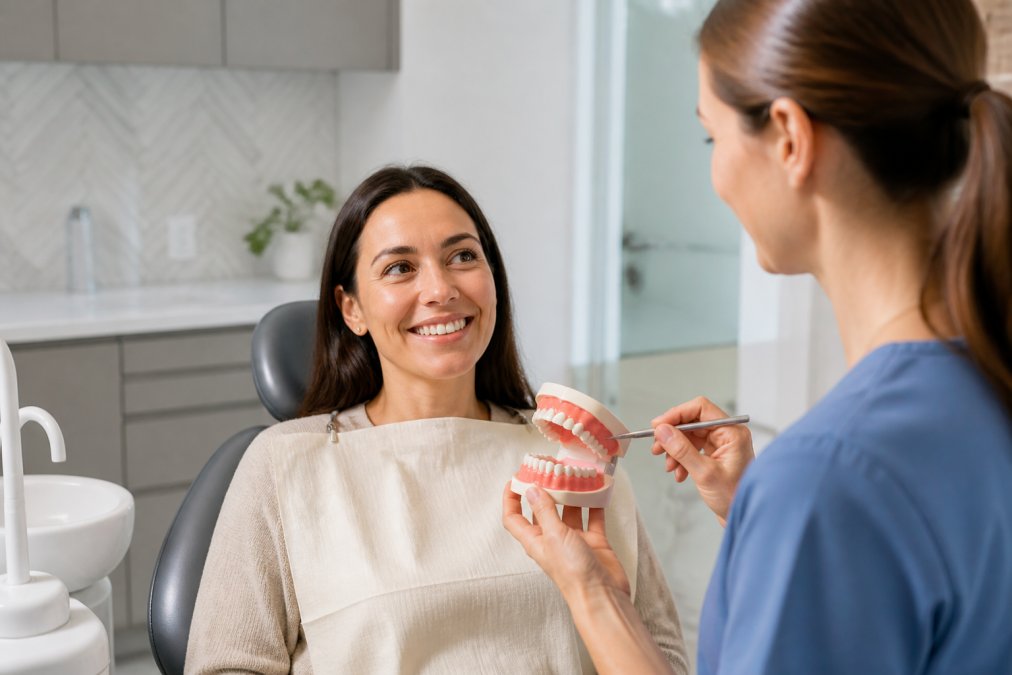
Look for practices that prioritize consultation and education. A dentist who explains your options, shows visual aids, and answers questions thoroughly demonstrates respect for your autonomy. You should never feel rushed or pressured. Red flags include providers who recommend extensive treatment without discussing alternatives or who seem dismissive of your concerns.

Experience and credentials matter, but so does communication style. Ask whether the dentist has experience with your specific restoration type. Consider the practice environment: Do you feel welcomed? Is the facility clean and modern? Are staff members attentive? Ask about the practice's approach to treatment planning and whether they discuss costs upfront and are transparent about insurance coverage and out-of-pocket responsibility.
Dental Insurance and Financing Options
Understanding your coverage and payment options removes major anxiety when planning restorative work. Most dental insurance plans distinguish between preventive care, basic restorative work, and major restorative procedures, with different coverage percentages. Contact your insurance provider directly with specific questions about your plan's coverage.
If you don't have dental insurance, several alternatives exist. Many dental practices offer in-house payment plans that spread costs over several months with little or no interest. Some practices partner with third-party financing companies specializing in healthcare lending. According to the Canadian Dental Care Plan information, certain patients may qualify for government-supported dental coverage based on age, income, and other factors.
Dental schools and community health centers sometimes offer reduced-cost services performed by students or newer practitioners under supervision. While these settings typically take longer, they can be an option for patients with limited budgets.
Recovery Time and Lifestyle Impact
Different restorations carry different recovery profiles. Fixed restorations like crowns and bridges typically involve minimal downtime. After tooth preparation and temporary restoration placement, you might experience some sensitivity to temperature for a few days. Once the permanent restoration is seated, most patients return to normal eating and speaking within 24-48 hours.
Removable partial dentures require an adaptation period rather than recovery. The first week or two can feel uncomfortable as your mouth adjusts. Most patients adapt within 1-2 weeks and report that discomfort diminishes significantly. Eating is typically possible immediately, though you may need to modify your diet initially.
Bonded restorations and ultra-thin veneers involve no recovery period. You can eat normally immediately after placement. For minimally invasive procedures like air abrasion or laser-assisted treatment, recovery is similarly minimal, you might experience slight sensitivity for a day or two.
All restorations benefit from regular dental visits, typically every 6 months, to ensure they're functioning well and to catch any issues early.
Finding Your Best Option
Choosing a luma dental alternative for patients means finding a practice and treatment approach that align with your values, budget, and lifestyle. No single option works for everyone. What matters is having accurate information, feeling heard during your consultation, and trusting that your dentist is recommending what's genuinely best for your situation.
The restoration options available today give you genuine choice. Each carries distinct advantages and trade-offs. The key is understanding these differences and working with a dental professional who takes time to explain them clearly.
When you're ready to explore your options, look for a practice that combines clinical expertise with patient-centered care. Ask questions about treatment alternatives, get clarity on costs and insurance coverage, and pay attention to how you're treated during your consultation.
Pearly Curve Dentistry offers comprehensive, modern dental care designed to help every patient achieve a healthier, more radiant smile. Our practice combines advanced treatment techniques with expert support, ensuring a comfortable and personalized experience. We're dedicated to your long-term oral health and provide trustworthy, supportive care that helps you make decisions aligned with your values. Book an appointment with us to explore your restoration options and find the approach that works best for you.
Your dental care journey doesn't have to involve pressure, confusion, or settling for a provider who doesn't truly listen. Whether you're seeking a second opinion, exploring alternatives to your current provider, or beginning restorative treatment for the first time, the right practice makes all the difference. At Pearly Curve Dentistry, we combine advanced treatment capabilities with genuine patient support to help you achieve the smile and oral health you deserve. Get started with a consultation today and discover how personalized, transparent dental care can transform your experience.
| Restoration Type | Best For | Recovery Time | Lifestyle Impact |
|---|---|---|---|
| Fixed Bridges & Crowns | Permanent solution, natural function | 24-48 hours | Normal brushing/flossing only |
| Removable Partial Dentures | Multiple missing teeth, budget-conscious | 1-2 weeks adaptation | Daily cleaning required |
| Bonded Restorations | Minor cosmetic/structural issues | Immediate | Avoid very hard foods |
| Ultra-Thin Veneers | Cosmetic improvement, minimal prep | Immediate | Normal care with caution |
| Minimally Invasive Techniques | Anxiety-prone patients, structure preservation | Minimal | Standard dental care |
Frequently Asked Questions
What are the main differences between a luma dental alternative and traditional dental restorations?
Luma products focus on specific cosmetic applications, while dental restoration options include fixed bridges, removable dentures, bonded restorations, and crowns. Each alternative offers different benefits in terms of durability, aesthetics, invasiveness, and cost. Your choice depends on your specific needs, budget, oral health status, and lifestyle. A dental consultation helps determine which restoration option suits you best.
How do I choose a dentist who will recommend the right restoration for my needs rather than oversell?
Look for dentists who prioritize patient consultation and explain treatment options clearly. Ask about their approach to cosmetic work and whether they discuss multiple alternatives before recommending one. Request a treatment plan in writing, and verify they are registered with professional regulatory bodies. A trustworthy dentist listens to your concerns and budget before proposing procedures.
What dental insurance and financing options are available for restoration procedures?
Many dental plans cover restorative care like crowns and bridges, though cosmetic procedures may not be covered. Check your specific plan for coverage limits and waiting periods. If uninsured, ask your dental practice about payment plans, dental discount programs, or financing options. Some practices offer flexible payment arrangements to make treatment more accessible.
How long does recovery take for different dental restoration options?
Recovery times vary significantly. Bonded restorations and ultra-thin veneers typically require no downtime. Fixed bridges and crowns may cause mild sensitivity for a few days. Removable dentures need an adjustment period of weeks to months. Minimally invasive procedures generally have shorter recovery than traditional tooth preparation. Your dentist will explain what to expect based on your specific treatment plan.