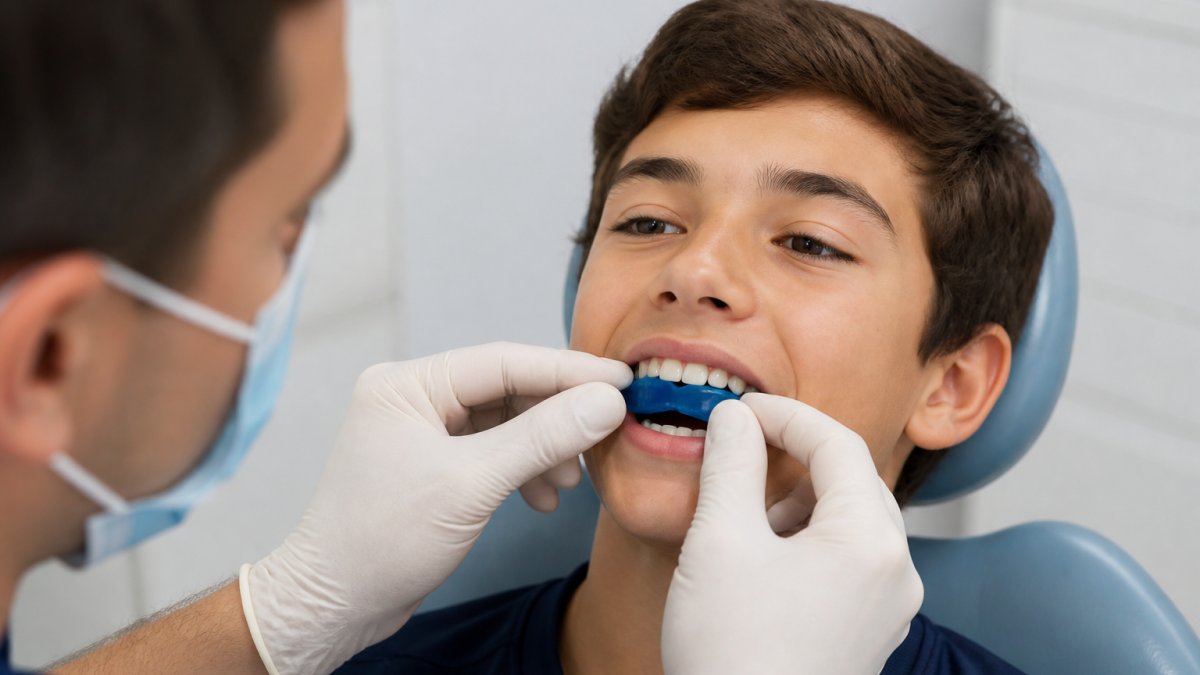
 comparison
Is a Custom Mouthguard Worth It for Young Athletes?
Table of Contents
- How Custom Mouthguards Compare: Protection, Fit, and Cost
- Custom Mouthguard Cost vs Store-Bought: What Families Actually Pay
- How the Custom-Fitting Process Works
- Breathing, Speech, and Comfort: Why Fit Drives Consistent Wear
- How to Choose a Pediatric Dental Insurance Plan That Covers Mouthguards
- Mouthguard Maintenance for Kids: Cleaning, Storage, and Replacement
- Long-Term Orthodontic and Concussion Considerations
- Conclusion: Who Should Invest in a Custom Mouthguard
- Frequently Asked Questions
Last Updated: September 30, 2026
How Custom Mouthguards Compare: Protection, Fit, and Cost
A custom mouthguard is a dentist-fabricated dental guard made from an exact impression of your child's teeth. For young athletes in high-contact sports, the question of whether a custom mouthguard is worth it comes down to three things: protection, fit, and long-term cost.
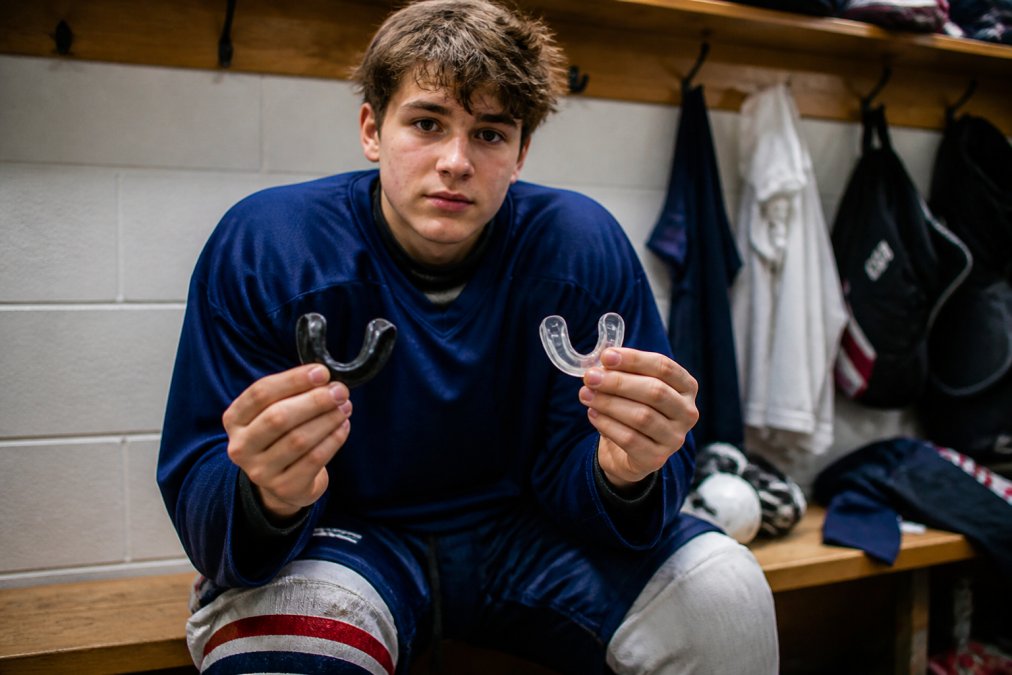
At Pearly Curve Dentistry, we offer comprehensive, modern dental care designed to help every patient achieve a healthier, more radiant smile. Custom guards aren't right for every family, but for contact sports, the math favors them.
Custom-Fitted vs. Boil-and-Bite vs. Stock Guards
The three main types of mouthguards fall into clear tiers: custom-fitted guards are made in a dental office from a dental impression, while boil-and-bite and stock guards are retail products.
| Type | How It's Made | Protection Level | Retention | Best For |
|---|---|---|---|---|
| Custom-fitted | Dental impression, lab fabrication | Highest | Stays put without clenching | Contact sports, braces |
| Boil-and-bite | Thermoplastic, self-molded | Moderate | Slipping common | Low-contact sports |
| Stock | Pre-formed, no fitting | Lowest | Poor, requires jaw clenching | Occasional rec use |
Custom guards distribute impact across the whole mouth rather than concentrating it at the point of contact, which matters for orofacial injury prevention in hockey and football.
Custom Mouthguard Cost vs Store-Bought: What Families Actually Pay
Yes, custom mouthguards cost more upfront. The real comparison is purchase price plus the probability of dental repair, and the upfront number varies far more than most guides admit.
What Drives the Price of a Custom Guard
Four variables move the price most:
- Material and thickness. A single-layer guard for house-league soccer costs less than a laminated, multi-layer guard for collision sports; more layers mean more lab time and material.
- Sport-specific design. A guard for a hockey player in a cage or visor is shaped differently from one for a football player, and that design work is billed in.
- Orthodontic accommodation. A guard fitted over brackets and wires takes more lab steps than a flat-arch guard, which shows up in the fee.
- Lab turnaround. Rush fabrication for a player who just made a rep team costs more than a standard two-week turnaround.
Because of those variables, a single national price is misleading. Ask your dental office for a written quote itemizing the guard, the impression, and any fitting or adjustment visits. Get it in writing before you commit.
The Real Cost of a Knocked-Out Tooth
A knocked-out tooth (an avulsed tooth) or fractured incisor can require emergency care, a root canal, a crown, or an implant. A single restoration can be a significant expense.
Insurance, HSA/FSA, and the Canadian Dental Care Plan
Private dental insurance. Most plans classify a custom athletic mouthguard as preventive or minor restorative. Preventive items are often reimbursed at a higher percentage, so the classification matters more than the guard's price. Confirm three things with your insurer:
- Is an athletic mouthguard listed as a covered service, or is it excluded as a sports-equipment item?
- Does the plan require a predetermination (pre-authorization) before the guard is fabricated?
- Will the guard count against your annual maximum, and if so, how much room is left this year?
How the Custom-Fitting Process Works
The custom-fitting process takes two short appointments: your dentist takes an impression of the upper teeth, sends it to a lab, and fits and adjusts the finished guard at a follow-up visit.
Step by step, here is what to expect:
- Consultation and impression. The dentist checks the teeth and takes a soft impression of the upper arch.
- Lab fabrication. A dental lab pours the model and presses the guard from thermoplastic material at a controlled thickness.
- Fitting appointment. The dentist checks retention, trims edges, and adjusts the bite so the guard sits flush.
- Follow-up adjustments. Kids' mouths change, so a quick re-check after a few weeks catches pressure points early.
Breathing, Speech, and Comfort: Why Fit Drives Consistent Wear
Compliance is where most mouthguards fail, not protection. A guard that slips, blocks airflow, or makes speech awkward ends up in a pocket by the second period.
How to Choose a Pediatric Dental Insurance Plan That Covers Mouthguards
Most dental plans treat a custom mouthguard as preventive or minor restorative, but coverage varies widely. Read the fee guide and check whether athletic guards are listed, excluded, or require pre-authorization.
- Is the mouthguard classified as preventive, which is often covered at a higher percentage?
- Does the plan require a predetermination before the guard is made?
- Are there annual maximums that a guard would eat into?
- Does the plan cover orthodontic appliances, since guards must fit over braces?
Mouthguard Maintenance for Kids: Cleaning, Storage, and Replacement
Mouthguard maintenance for kids comes down to three habits: rinse after every use, store in a ventilated case, and replace when worn. Skipping any shortens the guard's life and creates a hygiene problem.
- Clean daily. Rinse with cool water and brush gently with a soft toothbrush. Avoid hot water, which warps thermoplastic.
- Store properly. Use a vented case with air holes. A sealed bag traps moisture and odor.
- Inspect monthly. Look for tears, thinning, or bite-through marks.
- Replace on schedule. Most custom guards last one to two seasons depending on growth and wear.
Long-Term Orthodontic and Concussion Considerations
Two factors separate a good mouthguard decision from a great one: orthodontic planning and concussion science. Both change the answer to whether a custom guard is worth it.
Orthodontic Accommodation: Braces, Retainers, and Shifting Teeth
If your child wears braces or a retainer, a custom guard can be fabricated to fit over orthodontic appliances, protecting both hardware and soft tissue. Off-the-shelf guards often don't fit over brackets, pushing kids to play without protection, the worst outcome, since a blow to the mouth with braces can lacerate lips and cheeks against the brackets.
A few orthodontic realities parents should plan for:
- Guards must be remade when teeth move. A guard fitted in September may not fit in March if the orthodontist has changed wires or the teeth have shifted. Budget for at least one remake during an active treatment phase.
- Retainers and guards are not interchangeable. A retainer holds teeth in position; it is not designed to absorb impact. Wearing a retainer during sport instead of a mouthguard offers no meaningful protection.
- Expansion and extraction phases change the arch. If your child is in an expansion phase or has had extractions, the arch shape can change enough that a guard made before the change no longer seats properly.
- Wisdom teeth and late eruption. For older teens, erupting wisdom teeth can shift the bite and affect guard fit. Mention any pending extractions or eruption monitoring to your dentist at the fitting appointment.
Concussion Mitigation: What the Science Actually Says
This is the most misunderstood part of the mouthguard conversation.
What that means for a parent:
- Do not buy a custom guard because you believe it prevents concussion. Buy it because it protects the mouth and jaw, and because a well-fitting guard is more likely to be worn consistently, and consistent wear is what delivers any protection at all.
- Treat concussion prevention as a helmet, rule, and coaching issue. Mouthguards are one layer in a broader safety strategy, not a substitute for properly fitted headgear and safe play.
- Be skeptical of marketing claims. If a product or office claims a mouthguard "prevents concussion," ask for the evidence behind that claim. A guard that reduces impact force to the jaw is not the same as a guard that prevents brain injury.
Conclusion: Who Should Invest in a Custom Mouthguard
If your child plays hockey, football, lacrosse, or any sport with body contact, a custom mouthguard is worth it. The protection, fit, and compliance advantages over boil-and-bite and stock guards are real, and one avoided dental emergency covers the cost.
Frequently Asked Questions
Is a custom-fitted mouthguard significantly better than a boil-and-bite version?
Yes, for protection and comfort. A custom mouthguard is made from a precise dental impression, so it stays in place and spreads impact more evenly. Boil-and-bite guards are molded at home and often fit loosely, which can affect breathing and speech. Research shows custom guards outperform boil-and-bite in retention and shock absorption, making them the better choice for high-contact sports like hockey or lacrosse.
At what age should a child start using a custom mouthguard for sports?
Once a child is playing organized contact sports and has most of their permanent teeth, usually around age 10 to 12, a custom mouthguard becomes worthwhile. Younger children in low-contact activities may do fine with a well-fitted boil-and-bite. A dentist can advise based on your child's dental development and sport.
Are custom mouthguards covered by dental insurance plans?
Coverage varies by plan. Some pediatric dental insurance plans include mouthguards as preventive or accidental dental coverage, while others exclude them. When you choose a pediatric dental insurance plan, check the details for mouthguard coverage and annual maximums. If not covered, you may be able to use a health spending account if your plan allows it. Ask your dentist's office for a pre-treatment estimate.
How often should a child's custom mouthguard be replaced?
Most custom mouthguards last one to two seasons, but replacement depends on growth and wear. Children's mouths change as teeth erupt and jaws grow, so a guard that no longer fits should be replaced. Check for tears, thinning, or a loose fit. During regular dental visits, your dentist can assess whether the mouthguard still provides proper protection.