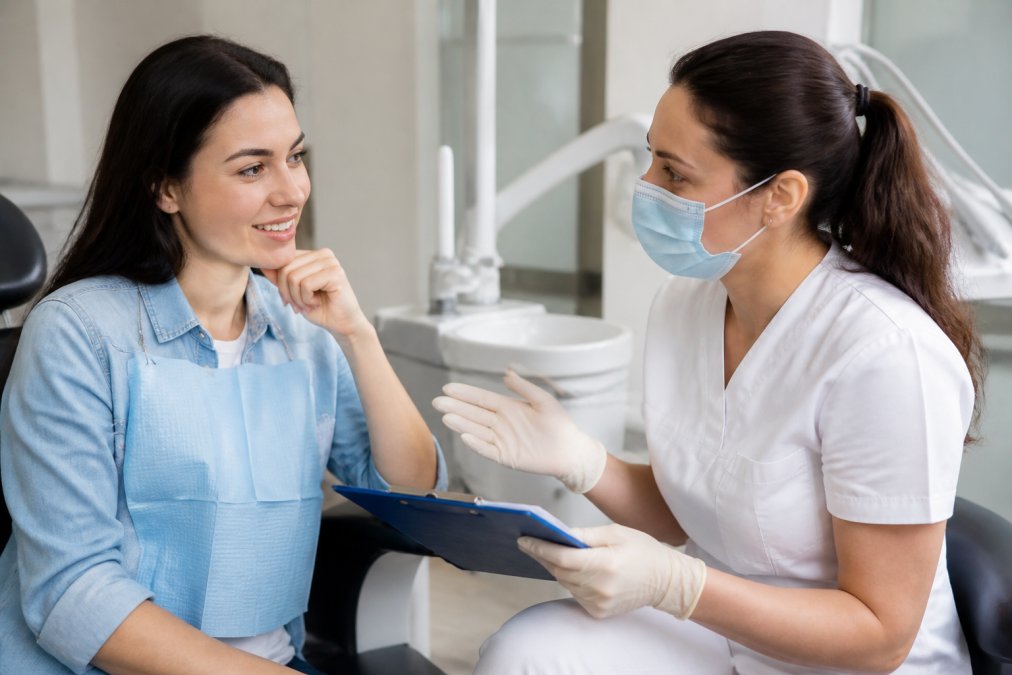
 ultimate-guide
Affordable Dental Exams: Your 2026 Guide
Table of Contents
- Why Affordable Dental Exams Matter for Your Oral Health
- Understanding Dental Exam Cost Breakdown 2026
- Canadian Dental Care Plan Eligibility and Coverage
- University Faculty of Dentistry Clinics as Affordable Options
- Community Health Centers and Publicly Funded Programs
- Payment Plans and Sliding Scale Fees
- How to Find and Book Affordable Dental Exams
- Step 1: Check Canadian Dental Care Plan Eligibility
- Step 2: Locate Community Health Centers and Sliding Scale Clinics
- Step 3: Research University Dental Clinics
- Step 4: Prepare Your Documentation Package
- Step 5: Ask About Wait Times and Language Accessibility
- Step 6: Confirm What's Included in Your Exam Fee
- Conclusion
- Frequently Asked Questions
Last Updated: September 1, 2026
Why Affordable Dental Exams Matter for Your Oral Health
Dental exams are the foundation of preventative care. They catch oral health problems before they become expensive emergencies. Yet many people skip dental visits because of cost concerns.
Affordable dental exams are more accessible than most people realize. Whether you're uninsured, underinsured, or managing your dental budget, multiple pathways exist to get quality care without financial stress.
At Pearly Curve Dentistry, we understand that cost is a genuine barrier for many patients. This guide helps you navigate your options for finding quality dental care that fits your budget. Preventative care catches problems early, a routine exam today can prevent a root canal tomorrow, which is where your actual savings happen.
Understanding Dental Exam Cost Breakdown 2026
The cost of a dental exam varies depending on what's included, where you go, and whether you have insurance. A basic oral examination typically includes a visual inspection, periodontal assessment, and often bitewing x-rays for diagnostic imaging.
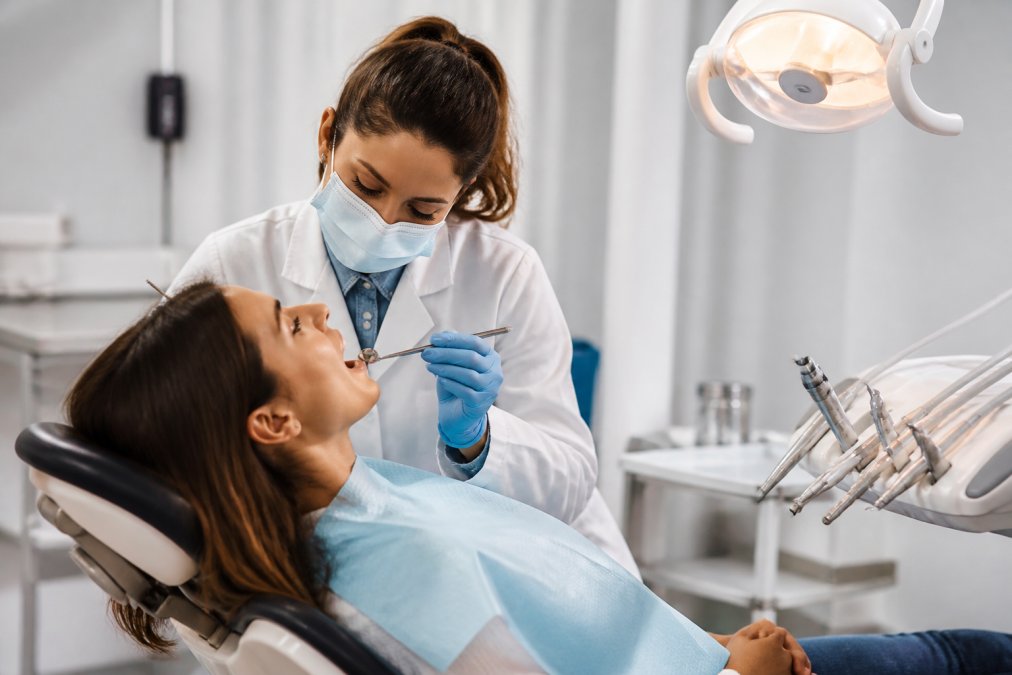
Most dental clinics break exam costs into several components: the oral examination itself, diagnostic imaging (x-rays), and sometimes additional services. Some clinics bundle these together; others charge à la carte. Without insurance, costs depend heavily on the clinic's pricing model. Private dental practices often charge significantly more than community health centers or university-based clinics.
Canadian Dental Care Plan Eligibility and Coverage
The Canadian Dental Care Plan is a federal program designed to help eligible individuals access dental treatment without out-of-pocket expenses. Eligibility is based on income, age, and residency status.
To qualify, you must meet specific income thresholds. The plan prioritizes seniors, children, and people experiencing financial hardship. If eligible, the program covers routine exams, cleanings, and preventative care. Coverage for complex procedures like root canals or extractions may require additional qualification.
The application process involves verifying your income and residency. Once approved, you receive coverage that applies at participating dental providers across the country.
University Faculty of Dentistry Clinics as Affordable Options
University-based dental clinics are clinical training facilities where dental students, under faculty supervision, provide treatment at significantly reduced costs (the American Dental Association). Quality is high, supervision ensures clinical standards are met, but appointments take longer because students work methodically.
Wait times vary widely by institution. Contact the clinic directly for specific wait times.
Cost Savings and Clinical Quality
Fee reductions are substantial. Cleanings, x-rays, and preventative treatments are similarly discounted. The tradeoff is clear: you pay significantly less but wait longer and spend more time in the chair.
The dental hygiene and examination you receive meets the same clinical standards as a private practice. Students are supervised by licensed dentists and faculty members. The environment is clinical rather than cosmetic, the focus is on oral health outcomes.
Eligibility and Application Process
Most university faculties of dentistry have clinics open to the public. Eligibility criteria vary by institution:
- Some prioritize low-income patients and require proof of income.
- Others serve the general population on a first-come, first-served basis.
- Some restrict admission to students and staff.
- Others accept only referred patients.
Contact your local Faculty of Dentistry directly to confirm eligibility. When you call, ask:
- Are you currently accepting new patients?
- What is your current waitlist length?
- What documentation do you require?
- Do you offer reduced fees for low-income patients?
- Can I request an urgent appointment for acute dental pain?
Once you apply, you'll typically receive a confirmation letter with an estimated appointment date.
What to Expect During Your Appointment
Your first appointment will likely take 60-99 minutes, longer than a private practice exam (peer-reviewed research). The student dentist works methodically, and a faculty member may observe or review the case. You may be asked to participate in teaching; this is optional.
The exam is comprehensive. The student will perform a full oral assessment, take x-rays if needed, and document findings in detail. If they identify issues, they will discuss treatment options with you.
When University Clinics Make Sense
University clinics are ideal if you have no insurance, a non-urgent dental issue, can wait, and live near a university with a Faculty of Dentistry. They are not ideal if you have acute pain, need urgent treatment, prefer shorter appointments, or require specialized treatment.
Community Health Centers and Publicly Funded Programs
Community health centers provide dental services on a sliding scale fee basis (hrsa.gov). Your out-of-pocket cost depends on your household income and family size. The lower your income, the lower your fee, some patients pay nothing.
These centers employ licensed dentists and dental hygienists. Quality is comparable to private practices, but the environment is clinical rather cosmetic. The focus is on oral health outcomes.
Publicly funded dental programs vary by region. Your local public health unit can direct you to nearby community dental clinics and explain their eligibility criteria. Many accept new patients without requiring insurance.
Community health centers often have shorter wait times than university clinics. Emergency slots may open sooner for urgent cases.
The sliding scale model means your cost is transparent and tied to your ability to pay. You won't encounter surprise bills.
Payment Plans and Sliding Scale Fees
Sliding scale fees are structured so your payment reflects your income. A family earning $30,000 annually pays a different rate than one earning $60,000. The clinic determines your fee based on information you provide during intake.
This system removes guesswork from affordability. You know exactly what you'll pay before treatment begins. Some clinics also offer payment plans for expensive procedures, splitting costs across multiple months interest-free for patients with demonstrated financial need.
The key is asking about payment options when you book. Being upfront about your budget often opens doors.
How to Find and Book Affordable Dental Exams
Finding an affordable dental exam starts with identifying which programs and clinics you're eligible for. Each has specific documentation requirements that, if prepared in advance, can cut your wait time from weeks to days.

Step 1: Check Canadian Dental Care Plan Eligibility
Visit the official Service Canada website or call 1-833-537-4342 to determine if you qualify. Have the following ready:
- Your Social Insurance Number (SIN)
- Proof of Canadian residency (driver's license, passport, or provincial health card)
- Your most recent Notice of Assessment from the Canada Revenue Agency (CRA)
- Household size and composition
The eligibility check takes 10-15 minutes by phone. If approved, you'll receive a confirmation letter and a list of participating dental providers. Processing typically takes 2-4 weeks.
Step 2: Locate Community Health Centers and Sliding Scale Clinics
Contact your local public health unit (search "[your region] public health unit" online). They maintain current lists of community dental clinics, their eligibility criteria, and fee structures.
When you call, ask:
- Which community dental clinics accept new uninsured patients?
- Do any clinics offer same-day or next-day emergency appointments?
- Which clinics have multilingual staff?
- What documentation do clinics require at intake?
Common documentation includes:
- Proof of residency (utility bill, lease, or mortgage statement dated within 3 months)
- Proof of income (last two pay stubs, Notice of Assessment, or employer letter)
- Government-issued photo ID
- Proof of household composition (birth certificates for dependents, marriage certificate if applicable)
Bring originals or certified copies; most clinics will not accept photos or digital scans.
Step 3: Research University Dental Clinics
Search for "Faculty of Dentistry public clinic" or "dental school clinic" in your province. Most universities maintain online directories with contact information, eligibility requirements, and waitlist status.
When contacting a university clinic, ask:
- Are you currently accepting new patients?
- What is the typical wait time for a first appointment?
- What documentation do you require?
- Do you offer reduced fees for low-income patients?
Step 4: Prepare Your Documentation Package
Before calling any clinic, gather the following in one folder:
- Government-issued photo ID
- Proof of residency (utility bill or lease, dated within 3 months)
- Proof of income (two recent pay stubs or Notice of Assessment)
- Proof of household composition (if you have dependents)
- List of any current medications or allergies
- Details of any previous dental work or ongoing issues
Having this ready allows you to book immediately rather than waiting for a callback. Many clinics will schedule your appointment during the initial phone call if your documentation is complete.
Step 5: Ask About Wait Times and Language Accessibility
Wait times are rarely advertised but are critical to your planning. When booking, ask:
- What is your current wait time for a routine exam?
- Do you have any cancellation slots or urgent appointment availability?
- If I need follow-up treatment, how long is the typical wait?
- Do you have staff who speak [your language]? If not, do you provide interpreter services?
Language accessibility is essential if English is not your first language. Some community clinics have multilingual staff; others can arrange professional interpreters at no cost.
Step 6: Confirm What's Included in Your Exam Fee
Before your appointment, confirm in writing what is included in the exam cost:
- Oral examination only, or does it include x-rays?
- If x-rays are included, how many?
- Does the fee include a periodontal assessment?
- Are fluoride treatments or sealants included, or charged separately?
- What happens if the dentist identifies a cavity, is treatment quoted separately?
This prevents surprise charges at checkout.
Conclusion
Affordable dental exams are within reach. The pathway to care depends on your income, location, and eligibility for government programs, but multiple options exist at every income level. Whether you qualify for the Canadian Dental Care Plan, access a community health center's sliding scale fees, or use a university clinic's reduced pricing, you don't have to choose between oral health and financial stability.
Pearly Curve Dentistry is committed to helping patients understand their options and find care that works for their situation. Our team combines modern treatment techniques with genuine support, ensuring every patient receives comprehensive, personalized care. If you're ready to prioritize your oral health without financial stress, book your appointment with us today and discover how accessible quality dental care can be.
Frequently Asked Questions
How much does a dental exam typically cost in 2026?
Dental exam costs vary based on the type of clinic and services included. A routine dental exam at a private practice typically ranges from moderate to higher costs, while university dental clinics and community health centers often charge significantly less. Many clinics offer sliding scale fees based on income. Contact local providers directly for current pricing, as costs differ by location and facility.
Am I eligible for the Canadian Dental Care Plan?
Canadian Dental Care Plan eligibility depends on your household income, age, and residency status. To determine if you qualify, visit the official government website or contact your local public health unit. Eligibility requirements change annually, so it's important to check current criteria. Qualifying residents can access covered preventative care and basic treatment at reduced or no cost.
Do university faculty of dentistry clinics offer lower-cost exams?
Yes, university faculty of dentistry clinics typically offer dental exams and treatment at reduced rates compared to private practices. These clinics are staffed by dental students under supervision of licensed instructors, which allows them to provide affordable care. Wait times may be longer than private clinics, but the quality of care meets professional standards. Contact your nearest dental school to learn about their patient intake process and current fees.
What should I expect during an affordable dental exam?
A standard dental exam includes an oral examination, assessment of your dental hygiene, and often bitewing X-rays for diagnostic imaging. The dentist will check for cavities, gum disease, and other oral health issues. Based on findings, they'll discuss a treatment plan if needed. Whether at a private clinic or community health center, the core components of a thorough exam remain consistent, though additional services or follow-up costs may vary.